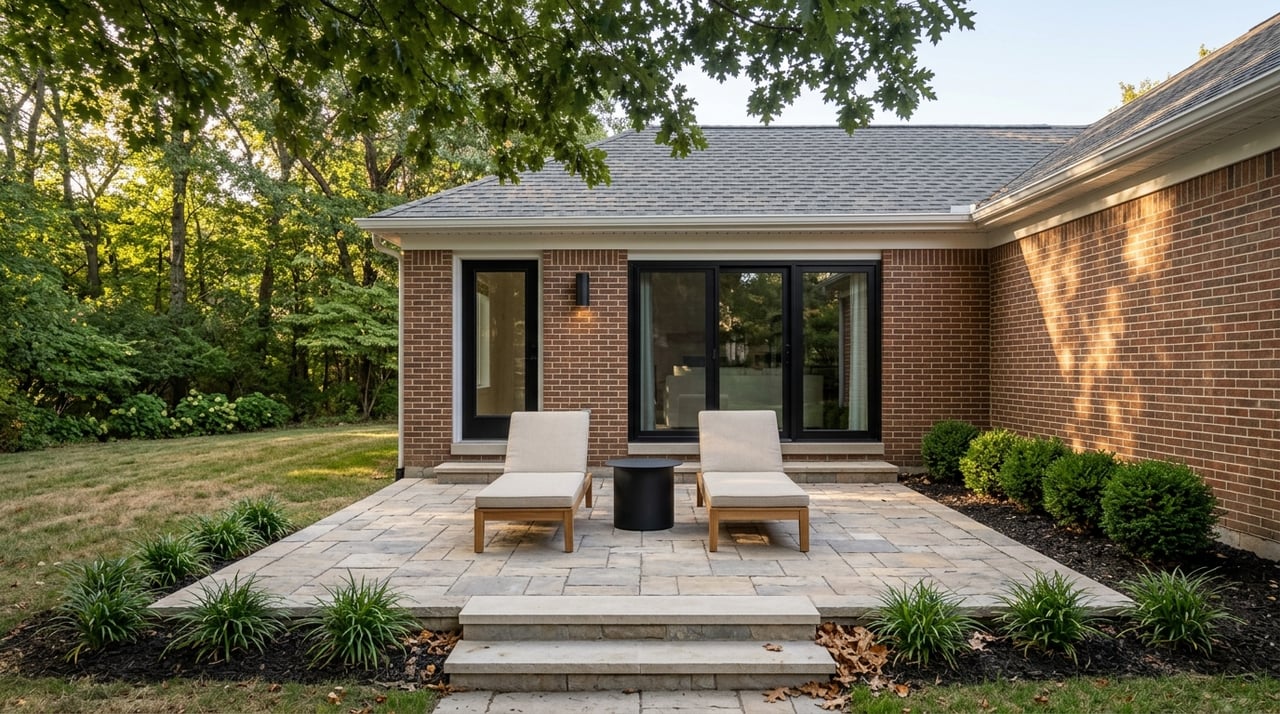
If you want a neighborhood where outdoor time feels built into daily life, Woodland Edge deserves a closer look. Many buyers want more than square footage. You may be looking for trails, trees, and a setting that feels calm without giving up the convenience of living in Little Rock. This guide will show you what makes Woodland Edge stand out for outdoor-focused living and what you can expect if you start your home search here. Let’s dive in.
Why Woodland Edge Feels Different
Woodland Edge, often also called Woodlands Edge in local records, is in west Little Rock. City planning materials describe the area as low-density residential, with later phases continuing a single-family pattern. That matters if you want a neighborhood built around homes rather than a more mixed or dense layout.
What really sets the community apart is how it was planned. Development records show the site was designed to preserve native vegetation, existing drainage, and the natural contours of the land instead of clearing it in a more typical suburban style. The result is a neighborhood where the natural setting is part of the experience, not an afterthought.
Outdoor Living Starts Inside the Neighborhood
For buyers who care about outdoor access, the biggest draw is that Woodland Edge offers it right at home. Development history for the neighborhood says more than 30% of native habitats were preserved as greenspace. It also notes that more than 6,000 native trees were planted across the community.
That planning approach creates a noticeably different feel from neighborhoods where homes sit on fully cleared lots with limited natural buffer. In Woodland Edge, the preserved forest and green areas shape the look and rhythm of the community. Homes were intentionally placed in a setting tied closely to the landscape.
Miles of Trails on Site
One of the clearest benefits for outdoor-minded buyers is the access to hiking paths within the neighborhood. Development materials describe residents as having ready access to miles of hiking paths. If you enjoy walking, light hiking, or simply getting outside without driving somewhere first, that is a meaningful lifestyle perk.
This trail-first setup also fits the way later phases were planned. A Little Rock planning document for Woodlands Edge references a trail system in place of sidewalks in parts of the development. That reinforces the neighborhood’s identity as a community designed around nature and movement through the landscape.
Ponds and Natural Features
The neighborhood’s outdoor appeal is not limited to trees and trails. Development records identify three ponds within the community: Reflection Pond at the Kanis Road entrance, Cypress Pond near Woodlands Trail northwest of the clubhouse, and Hidden Pond, which is accessible only by walking trail and visible from the trail or from a few ridge homes.
These features add variety to the outdoor environment and help create a more layered natural setting. For some buyers, that can mean more scenic walking routes and stronger visual connection to green space. It also supports the neighborhood’s overall nature-forward identity.
Amenities That Support an Active Lifestyle
Woodland Edge’s HOA website points to several amenities tied to everyday recreation. Current community information includes tennis and pickleball courts, pool information, a playground, a clubhouse, and maps. The site also includes clubhouse and pool reservation details, which suggests these amenities are active parts of neighborhood life.
That mix can appeal to buyers who want both natural space and organized amenities in one place. You may want trails for a quiet evening walk, but also appreciate access to a pool or courts for recreation closer to home. Woodland Edge appears to offer both types of outdoor living.
A Nature-Oriented Setting in West Little Rock
One practical way to think about Woodland Edge is this: it offers a quieter, low-density residential setting that stays within Little Rock. Research on the development points to a strong focus on preserving the land while keeping the neighborhood connected to city amenities. For many buyers, that balance is a major reason to consider west Little Rock neighborhoods like this one.
If your goal is to enjoy a more natural environment without moving far from shopping, offices, and day-to-day services in the city, Woodland Edge fits that conversation well. It is not just about having a nice backyard. It is about living in a community where the outdoor setting shapes the full experience.
Nearby Recreation Beyond the Neighborhood
Another advantage of Woodland Edge is its position within Little Rock’s broader outdoor network. Little Rock Parks and Recreation highlights hundreds of miles of trails across the city, including the Arkansas River Trail, Kanis Park trail maps, Rock Creek trail maps, Two Rivers, Southwest Trail, and River Mountain Trail. That gives you options when you want to branch out beyond the neighborhood.
For many buyers, nearby regional recreation is just as important as what sits inside the subdivision. In that respect, Woodland Edge benefits from being in west Little Rock, where you can connect to a wider trail and park system that supports walking, biking, and outdoor time across the city.
Pinnacle Mountain State Park Adds Even More Appeal
Pinnacle Mountain State Park is another major outdoor draw near west Little Rock. Arkansas State Parks describes it as just west of Little Rock, with more than 33 miles of trails and nearly 19 miles of mountain bike trails, along with river access and picnic and pavilion options. For buyers who want easy access to bigger outdoor adventures, that is a meaningful part of the location story.
You may not use a mountain trail every week, but having a destination like Pinnacle Mountain nearby can still shape how you experience the area. It adds range to your outdoor options and supports the idea that Woodland Edge is well positioned for an active lifestyle.
What Kind of Homes You Can Expect
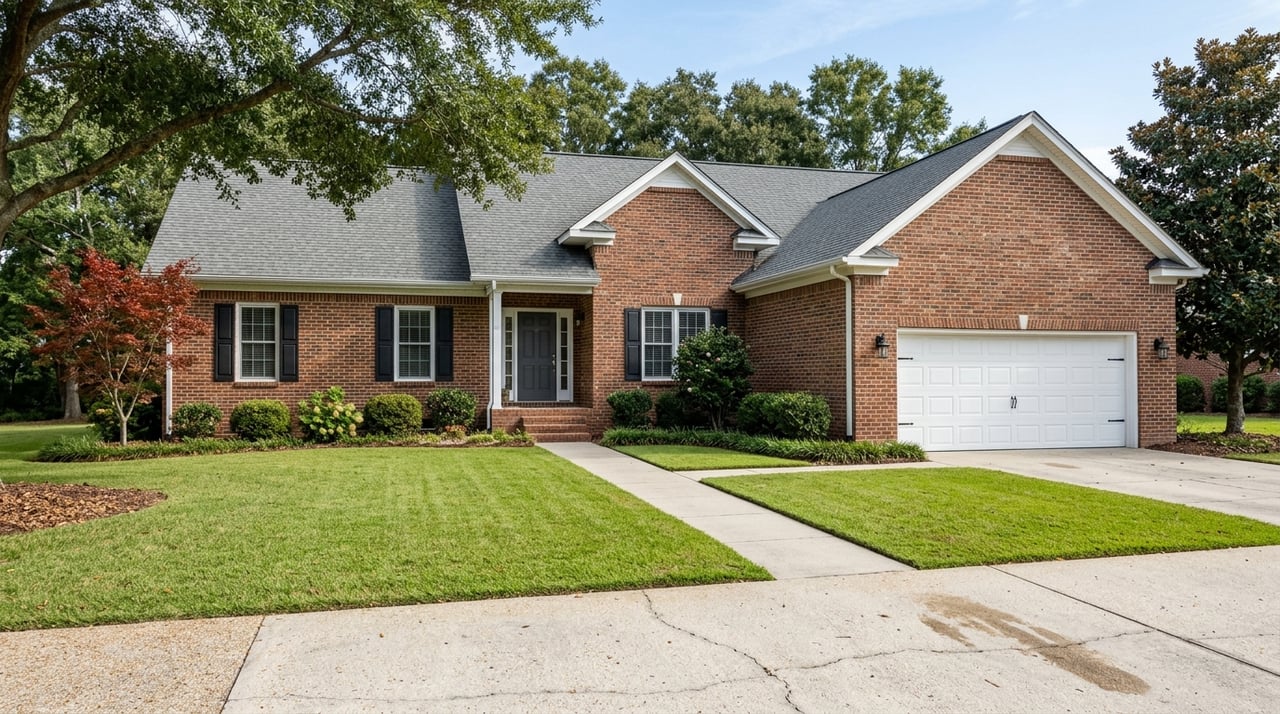
If you are wondering whether Woodland Edge is mostly single-family homes, the answer is yes. City planning documents describe the area as single-family in character, and one later plat proposed 118 new single-family lots across nearly 90 acres. That aligns with the low-density residential identity seen in planning records.
Neighborhood market data also points to primarily medium-sized to large single-family homes. The housing mix appears to include many homes built in 2000 or later, along with some homes dating from 1970 to 1999. In practical terms, that suggests a neighborhood with both established homes and later-phase additions rather than a purely brand-new development.
For buyers, that can translate into more variety in layout, lot setting, and architectural style than you might find in a one-phase community. If you are comparing options in west Little Rock, it is helpful to know Woodland Edge likely offers a mix rather than a single uniform product type.
What Pricing Looks Like in Woodland Edge
Pricing is one of the most common buyer questions, especially in a neighborhood with a strong lifestyle identity. Recent market data as of April 2026 shows 30 homes for sale in Woodland Edge, with a median listing price of $499,000, a median sold price of $450,000, and a median of 34 days on market. Another source places the median real estate price at $439,605.
The simplest way to read that data is that recent estimates place Woodland Edge roughly in the mid-$400,000s to around $500,000, depending on the source and methodology. That positions it as a higher-priced west Little Rock submarket. If outdoor amenities and preserved natural space are high on your list, that context can help you decide how the neighborhood fits your budget and goals.
Who Woodland Edge May Fit Best
Woodland Edge may be a strong match if you want a single-family neighborhood with built-in outdoor access. It can also make sense if you value a setting shaped by preserved trees, greenspace, and trails rather than a more typical cleared subdivision layout. Buyers who want west Little Rock convenience with a stronger connection to nature often find that combination appealing.
It may also stand out for move-up buyers who want a community with established identity and active amenities. The pool, courts, playground, clubhouse, ponds, and trail network all contribute to a lifestyle story that goes beyond the home itself. When you are choosing where to live, those daily-use details can matter just as much as bedroom count.
How to Evaluate Woodland Edge as a Buyer
If Woodland Edge is on your shortlist, focus on a few practical questions during your search:
- How close is the home to trails, ponds, or greenspace?
- Does the lot have a stronger wooded setting or a more open feel?
- How does the home’s age and phase of development affect layout and updates?
- Which neighborhood amenities matter most to your daily routine?
- How does the asking price compare with recent activity in the community?
These questions can help you look beyond listing photos and understand how a specific home fits the broader neighborhood lifestyle. In a place like Woodland Edge, location within the neighborhood can shape your experience almost as much as the house itself.
If you are exploring outdoor-focused living in west Little Rock, Woodland Edge is worth a serious look. Its preserved greenspace, miles of trails, ponds, and active amenities create a lifestyle that feels intentionally connected to nature. And because it remains a primarily single-family neighborhood within Little Rock, it offers that setting without losing city convenience.
When you are ready to compare homes, evaluate pricing, or narrow down the right fit in west Little Rock, the Kerry Ellison Team can help you move forward with local insight and a clear plan.
FAQs
What makes Woodland Edge in Little Rock appealing for outdoor-focused living?
- Woodland Edge stands out for preserved greenspace, more than 6,000 native trees, miles of hiking paths, and natural features like ponds that are built into the neighborhood setting.
Are homes in Woodland Edge mostly single-family homes?
- Yes. City planning records describe the area as low-density residential with a continuing single-family pattern, and later plats also proposed additional single-family lots.
Does Woodland Edge have neighborhood amenities besides trails?
- Yes. Current HOA information includes tennis and pickleball courts, a pool, playground, clubhouse, and community maps.
What is the typical home price range in Woodland Edge?
- Recent estimates place the neighborhood roughly in the mid-$400,000s to around $500,000, depending on the source and whether you are looking at listing or sold data.
Is Woodland Edge close to other outdoor recreation in Little Rock?
- Yes. The neighborhood benefits from access to Little Rock’s broader trail network, and Pinnacle Mountain State Park is a major nearby destination for hiking, biking, and outdoor recreation.