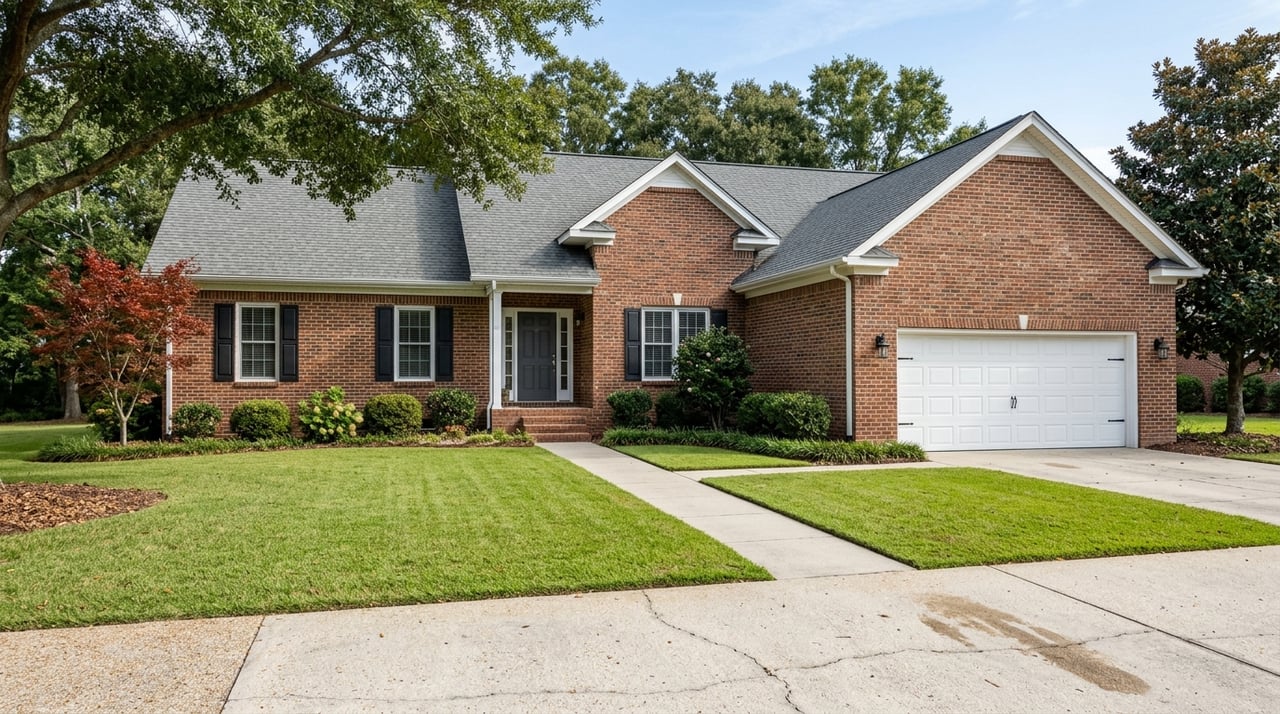
Wondering whether Pleasant Valley is the right next step after you have outgrown your current home? If you want more space, a more established setting, and neighborhood amenities that support your day-to-day lifestyle, this west Little Rock community often makes the shortlist for good reason. Here’s what to know about Pleasant Valley homes, lot sizes, amenities, location, and timing so you can make a smart move-up plan. Let’s dive in.
Why Pleasant Valley Appeals to Move-Up Buyers
Pleasant Valley is a long-established neighborhood in west Little Rock, about 8 miles west of downtown. According to the Pleasant Valley Property Owners Association, the community includes roughly 1,000 homes set on large lots with mature hardwoods.
For many move-up buyers, that matters just as much as square footage. You are not only shopping for a larger home here. You are often buying into a setting with more breathing room, established landscaping, and a built-in amenity package.
The POA says the neighborhood includes two pools, a community center, two playgrounds, tennis courts, 55 acres of green space, and trails throughout the neighborhood. The Pleasant Valley Country Club and its 27-hole championship course are also located within the neighborhood.
What Kind of Homes You’ll Find
Expect a mix of styles
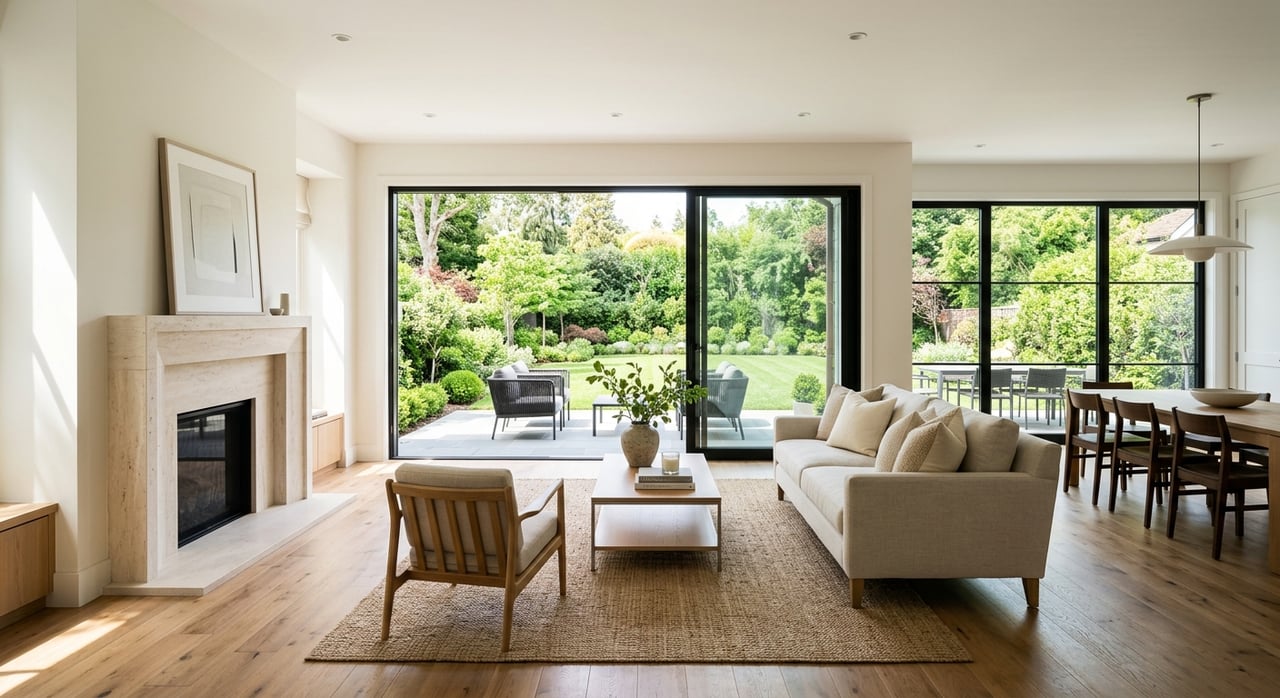
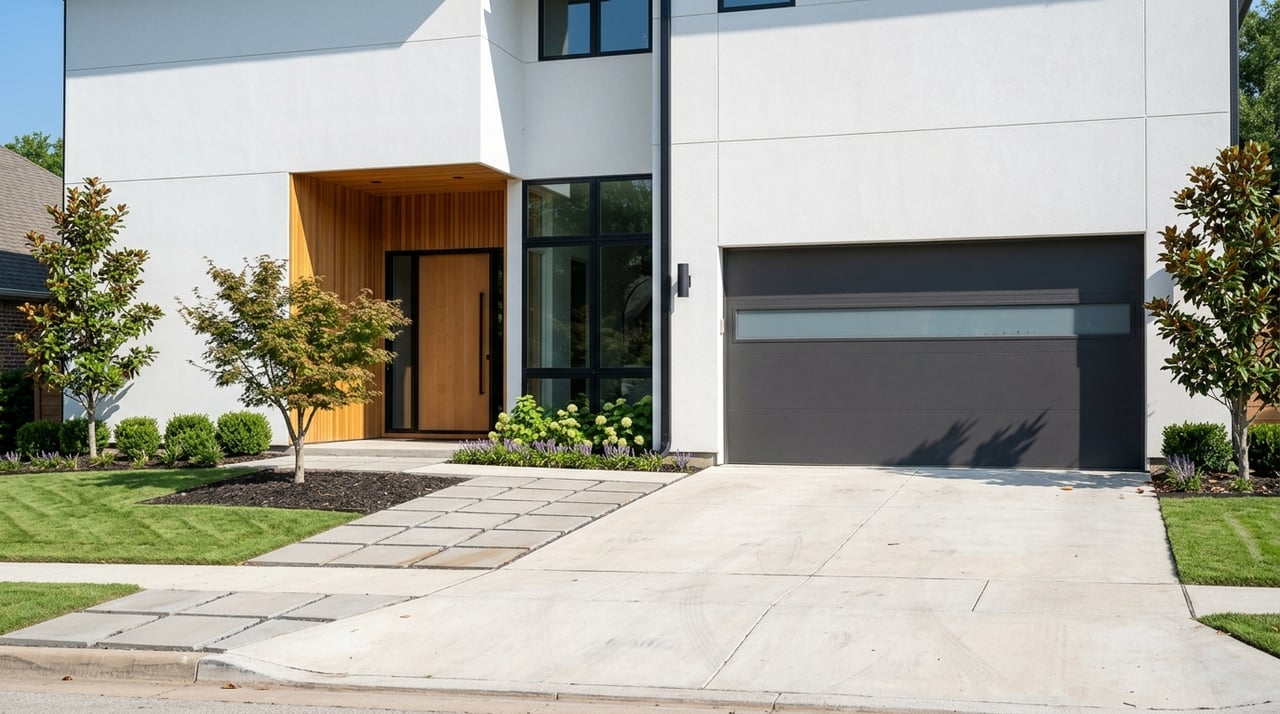
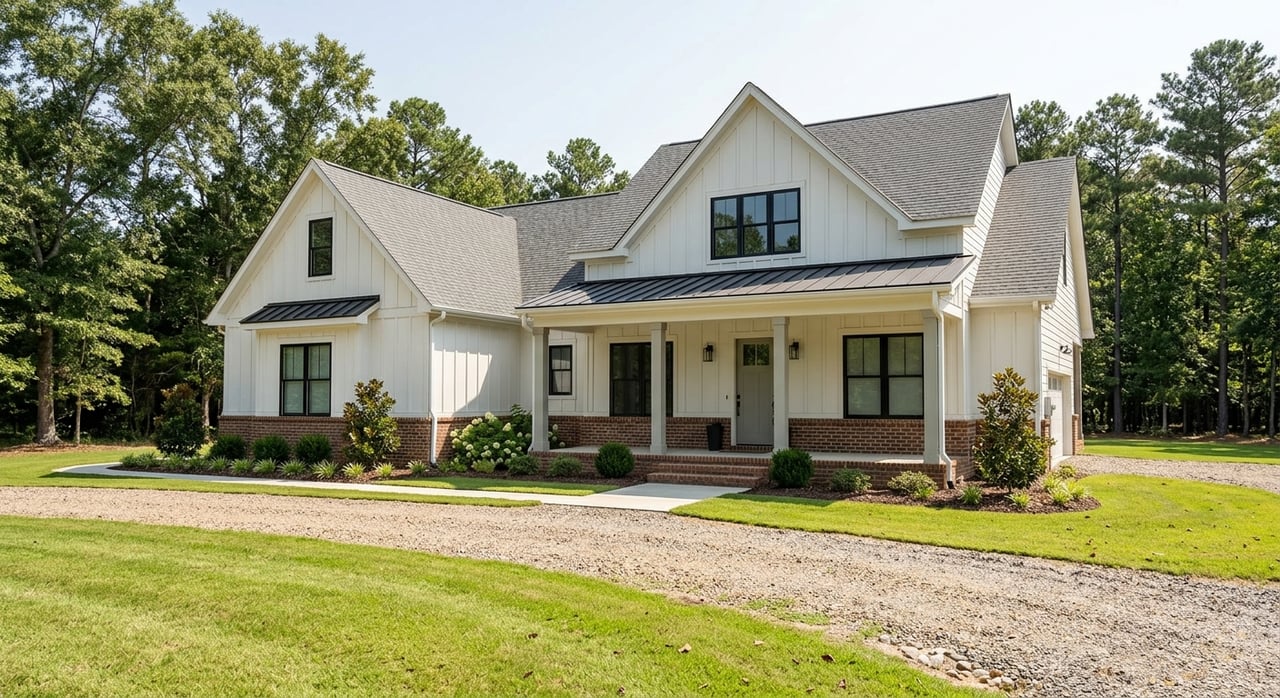
Pleasant Valley is not a one-style neighborhood. Homes.com describes a mix that includes Tudor homes, Georgian Revivals, ranch homes, and residences with mid-century features.
That variety can be a real advantage if you are moving up from a more uniform subdivision. You may be able to choose between single-story layouts, more formal two-story homes, or properties with a distinct architectural look that feels more custom.
It’s not only detached homes
If you assume Pleasant Valley is made up only of detached houses, it helps to know the neighborhood mix can include townhome-style options too. A recent Redfin listing example showed a traditional colonial-style two-story townhome.
That gives some move-up buyers more flexibility. Depending on your goals, you may decide you want the address and lifestyle first, then a larger detached home later.
How Large Are Pleasant Valley Lots?
Lot size is one of the biggest reasons buyers trade up into Pleasant Valley. Homes.com describes quarter-to-half-acre lots as typical, and recent listing examples showed lots around 0.33, 0.38, and 0.40 acres, with a larger 0.75-acre golf-course lot also on the market.
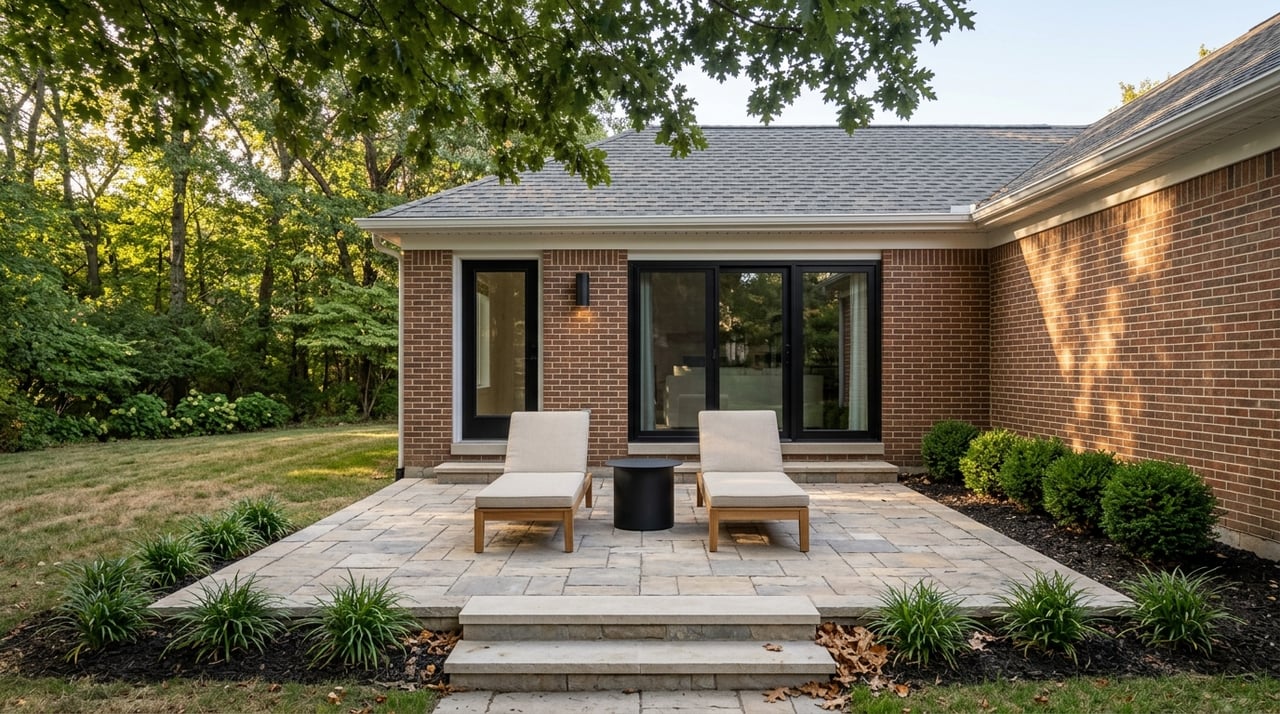
If your current home sits on a smaller lot, that difference can feel significant in everyday life. You may have more room for outdoor living, gardening, play space, or simply more privacy between homes.
Of course, lot size can vary from property to property. That is why it helps to compare not just the house, but also the usable yard space, lot shape, and how the home sits on the site.
What the POA Assessment Supports
Pleasant Valley residents pay an annual assessment through the Property Owners Association. The POA says that assessment helps maintain neighborhood facilities.
For a move-up buyer, that is worth factoring into your monthly and annual housing budget. It also reinforces that Pleasant Valley is often as much a lifestyle purchase as it is a home purchase.
When you are comparing neighborhoods, this is an important lens to use. A higher purchase price and annual assessment may come with amenities and green space that change how you live in the home and neighborhood.
Lifestyle and Amenities in Pleasant Valley
Club and recreation access
One of Pleasant Valley’s biggest draws is its amenity-rich setting. The neighborhood includes trails, green space, pools, playgrounds, tennis courts, and a community center, according to the POA.
Homes.com also notes that the country club offers tennis courts, a pool, and a fitness center. For buyers who want recreation close to home, that kind of setup can add convenience and long-term lifestyle value.
Nearby outdoor space
The area also benefits from nearby park access. The City of Little Rock lists Conner Park among its fishing-pond parks, and the 2020 Parks and Recreation Master Plan describes the park as having a fishing pond, earthen trails, a paved trail, and a fishing pier.
If you want a neighborhood that feels established and green without being far from the rest of the city, that mix is part of Pleasant Valley’s appeal. You get a residential setting with strong outdoor features while staying connected to west Little Rock corridors.
How Convenient Is the Location?
Pleasant Valley works well for buyers who want west Little Rock access. City records note Rodney Parham Road improvements from Valley Club north to Cantrell Road, and listing sources for Pleasant Valley often call out access to I-430.
Homes.com places Midtown Little Rock about 4 miles away. That means you can be positioned for central errands, dining, and day-to-day needs without giving up the quieter feel of an established residential neighborhood.
This is not usually the kind of neighborhood buyers choose for a highly walkable, urban lifestyle. Instead, it tends to appeal to people who want a well-located west Little Rock home base with convenient driving access to nearby destinations.
What the Market Snapshot Means for You
Pleasant Valley pricing sits well above the Little Rock citywide market. Redfin’s neighborhood page shows a median sale price of $537,319 and a median of 48 days on market, while Redfin’s Little Rock citywide page shows a median sale price of $275,835 and 55 days on market.
Other market snapshots point in a similar direction. Realtor.com’s June 2026 neighborhood page reports 20 homes for sale, a median list price of $550,000, and a 100% sale-to-list ratio, while Homes.com places the median home price in the upper-$400,000s and describes the market as seller-leaning.
The big takeaway is simple. Moving into Pleasant Valley usually requires more planning than a lateral move because pricing is typically much higher than the broader city market.
Should You Sell First or Buy First?
This is one of the most common move-up buyer questions, and the answer depends on your equity, financing, and comfort with timing. Since Pleasant Valley homes can move quickly when priced well, a loose plan can create stress fast.
Recent market snapshots place neighborhood days on market anywhere from the low 20s to the high 40s depending on the source and date. That suggests you should be prepared before the right house appears.
Here are the three main paths most move-up buyers consider:
Sell first
Selling first can give you a clearer budget and stronger confidence about your next purchase. You know how much equity you have available, and you reduce the risk of carrying two housing payments at once.
The tradeoff is timing. You may need temporary housing or a flexible possession plan if you sell before you secure your Pleasant Valley home.
Buy first
Buying first can make your move smoother if you find the right home and want to avoid a rushed transition. This option may work best if you have the financial flexibility to qualify before your current home sells.
The risk is carrying more than one property for a period of time. That can add pressure if your current home takes longer to sell than expected.
Bridge the gap with a coordinated plan
Many move-up buyers need a strategy that balances both sides of the transaction. That can mean lining up financing early, preparing your current home for market, and setting realistic expectations about timeline overlap.
In a neighborhood like Pleasant Valley, where pricing and competition can require quick action, coordination matters. A thoughtful buy-and-sell plan can help you move decisively without overextending yourself.
A Smart Pleasant Valley Buying Strategy
If Pleasant Valley is on your target list, it helps to prepare before inventory appears. Focus on these steps first:
- Review your current home equity and likely sale range
- Set a complete budget that includes purchase price, annual POA assessment, and ongoing ownership costs
- Decide which matters most: lot size, layout, architectural style, or amenity access
- Narrow your location priorities around Rodney Parham, Cantrell, and I-430 access
- Be ready to act when a well-priced home hits the market
Move-up buying is rarely just about getting a bigger house. In Pleasant Valley, it is often about upgrading your setting, your lot, and the way your neighborhood supports daily life.
If you are weighing whether Pleasant Valley makes sense for your next move, the best first step is to look at your current home’s value, your timing options, and what kind of property fits your goals. The right strategy can make the jump feel much more manageable.
If you are planning a move-up purchase in west Little Rock, the Kerry Ellison Team can help you build a smart buy-and-sell plan with local guidance every step of the way.
FAQs
How big are lots for Pleasant Valley homes in Little Rock?
- Pleasant Valley lots are often larger than what many move-up buyers currently have, with Homes.com describing quarter-to-half-acre lots as typical and recent listing examples showing lots around 0.33, 0.38, and 0.40 acres.
What home styles are common in Pleasant Valley?
- Pleasant Valley includes a mix of architectural styles, including Tudor homes, Georgian Revivals, ranch homes, and homes with mid-century features, rather than one uniform look.
What does the Pleasant Valley POA assessment cover?
- The Pleasant Valley Property Owners Association says residents pay an annual assessment to help maintain neighborhood facilities, including amenities such as pools, green space, trails, and other shared areas.
Is Pleasant Valley close to Rodney Parham, Cantrell, and I-430?
- Yes, Pleasant Valley is positioned for west Little Rock convenience, with city records noting Rodney Parham improvements toward Cantrell Road and listing sources commonly highlighting access to I-430.
Is Pleasant Valley more expensive than the overall Little Rock market?
- Based on Redfin’s market snapshot, Pleasant Valley’s median sale price of $537,319 is substantially higher than Little Rock’s citywide median sale price of $275,835.
Should a move-up buyer sell first before buying in Pleasant Valley?
- That depends on your equity, financing, and timing goals, but because Pleasant Valley homes can move quickly, many buyers benefit from a coordinated plan before the right property comes on the market.