Wondering what it’s really like to live in Hillcrest? If you are drawn to older homes, walkable streets, and the kind of local business district that still feels rooted in the neighborhood, Hillcrest stands out in Little Rock. This guide will help you get a feel for Hillcrest’s history, housing, parks, and everyday lifestyle so you can decide whether it fits your next move. Let’s dive in.
Why Hillcrest Stands Out
Hillcrest has deep roots in Little Rock’s growth. The neighborhood developed from Pulaski Heights, one of the city’s early streetcar suburbs, and that history still shapes how the area feels today.
The Hillcrest Historic District was added to the National Register in 1990 and expanded in 1992. City overlay rules are also designed to preserve the area’s pedestrian-oriented, small-town-scale character, which helps explain why Hillcrest feels distinct from many newer neighborhoods.
You will also notice that Hillcrest is positioned in a practical part of the city. UAMS describes it as north of Markham and west of downtown, with small shops, grocery stores, a post office, and parks nearby.
Hillcrest Homes and Architecture
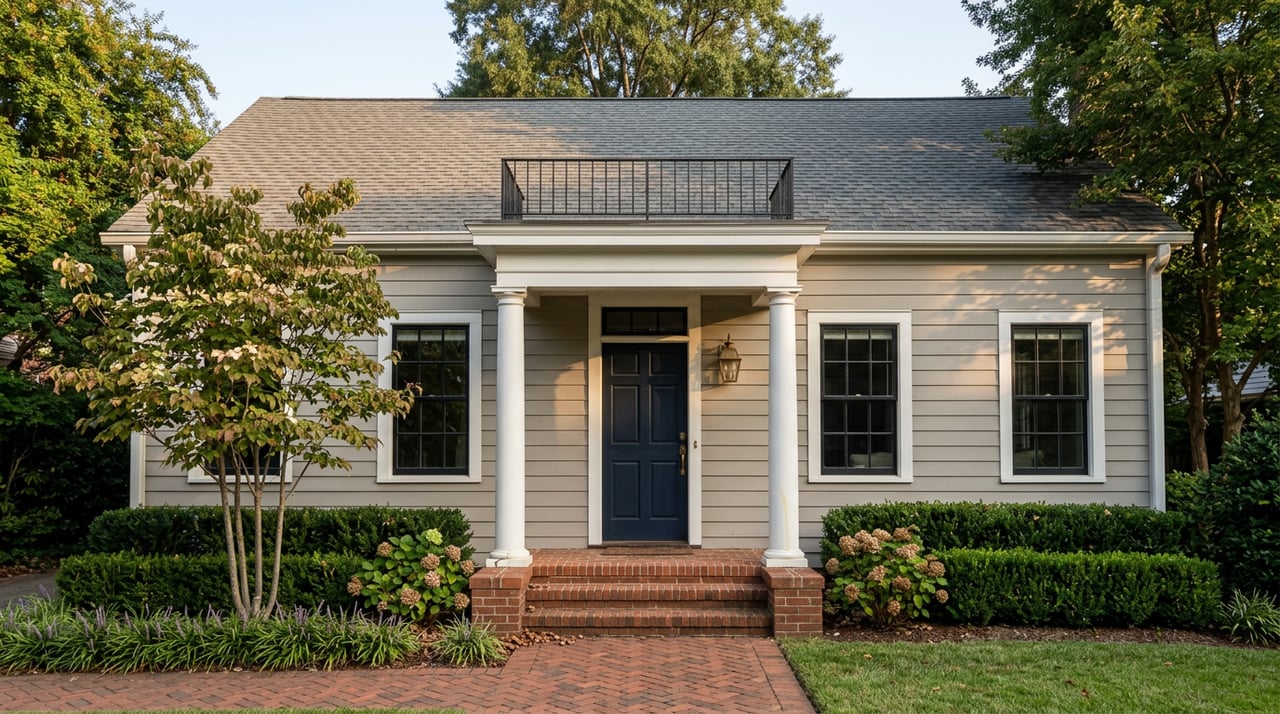
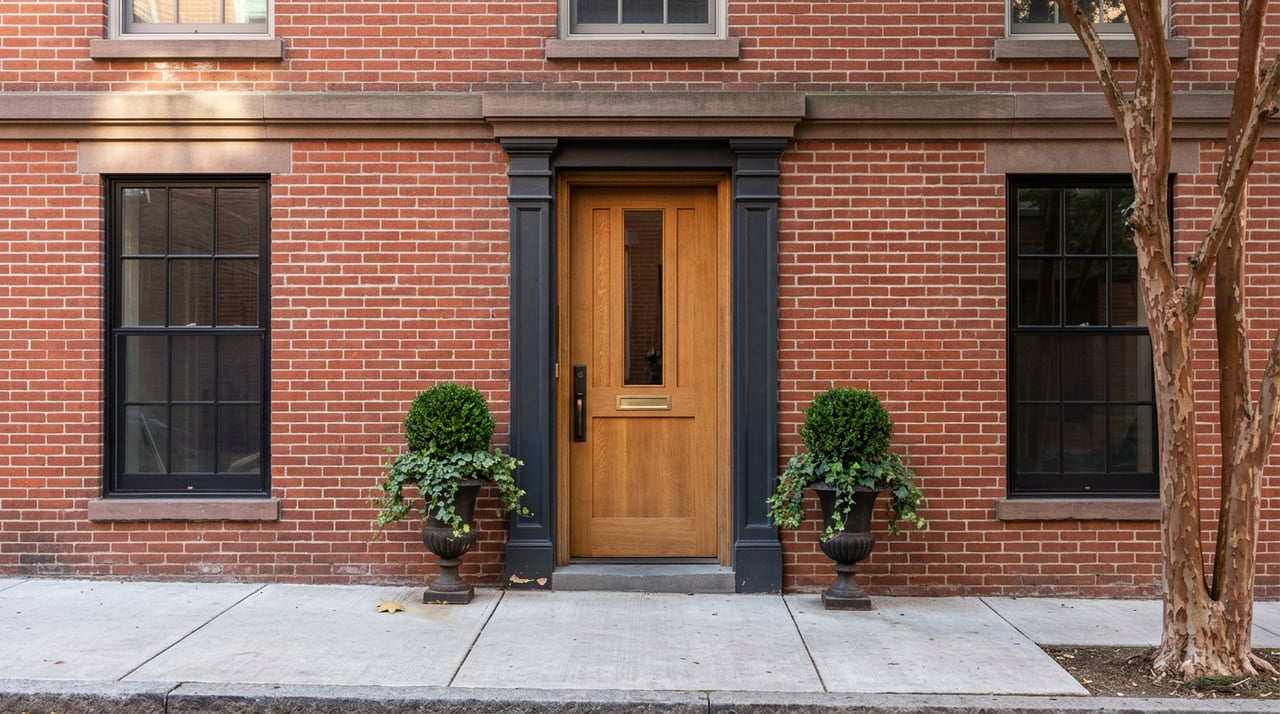
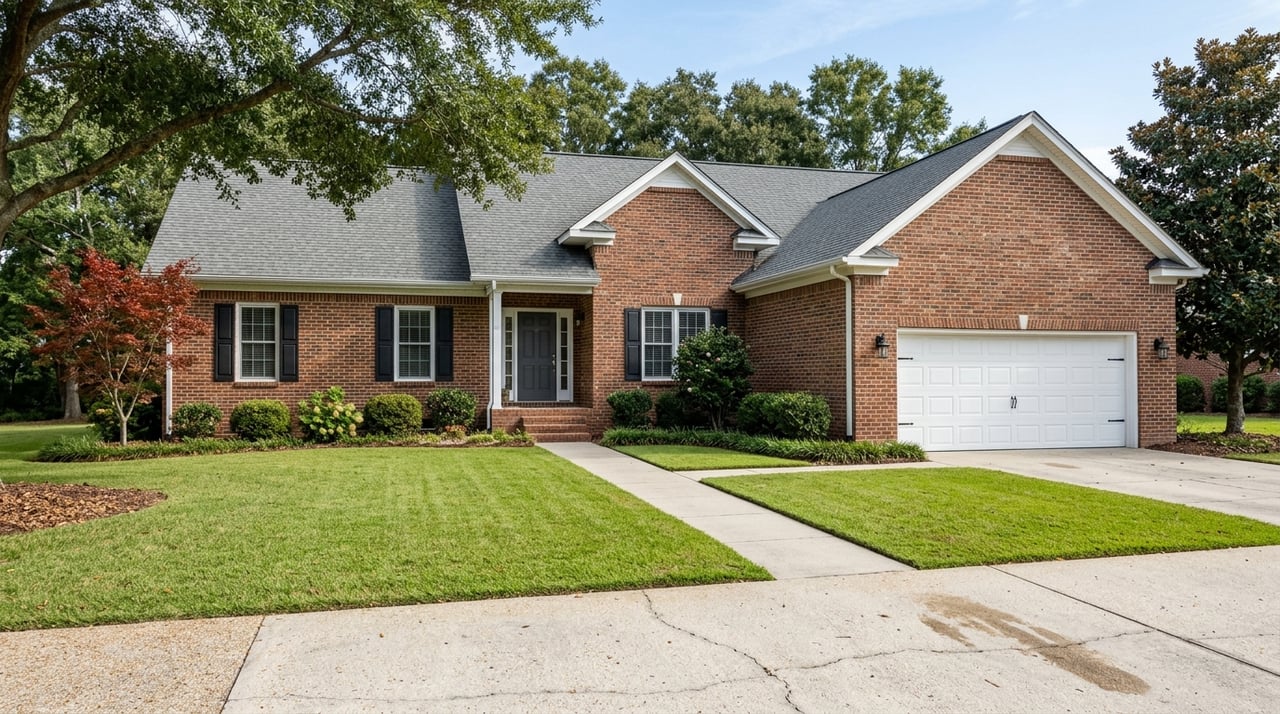
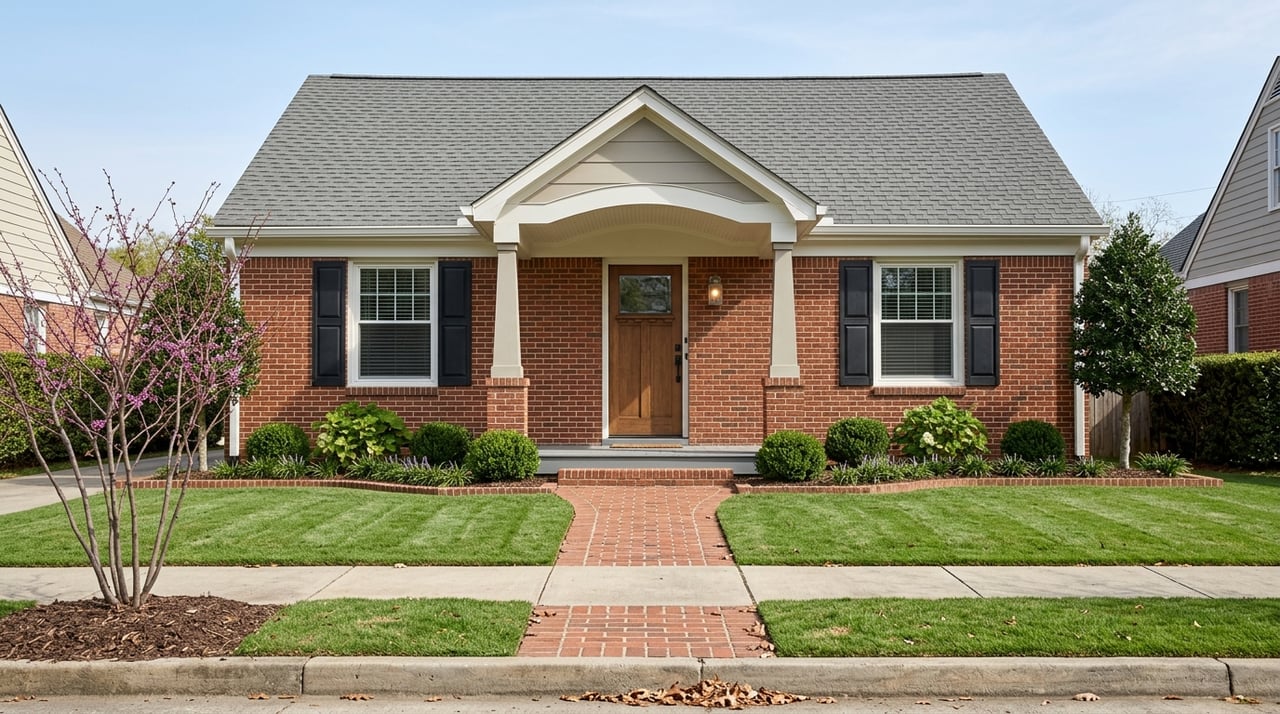
If you love homes with character, Hillcrest gives you a wide range to explore. The district includes about 1,200 houses built between the early 1890s and World War II, which creates a strong historic identity across the neighborhood.
At the same time, Hillcrest is not frozen in time. In the original district survey, 64% of the 1,611 properties were contributing historic structures, 22% were altered historic structures, and 14% were newer or noncontributing homes, so the housing stock feels historic overall but still mixed in age and condition.
Common Home Styles in Hillcrest
Hillcrest includes several early 20th-century architectural styles, including:
- Queen Anne
- Colonial Revival
- Prairie
- Craftsman and Bungalow
- American Foursquare
- Spanish Revival
- Art Deco
That variety gives buyers a lot to compare. You may see one block with bungalows and foursquares, then turn onto a street with revival-style homes, mature trees, and stone details that give the area a layered, established look.
Streetscape Details You’ll Notice
Hillcrest is known for more than just the houses themselves. The city’s historic context notes tree-lined streets and extensive use of fieldstone retaining walls, both of which add to the neighborhood’s older streetscape.
These details matter if you are thinking about long-term appeal. For many buyers and sellers, the overall setting of a neighborhood is just as important as square footage or finishes inside the home.
What Historic Overlay Rules Mean
If you are considering buying, renovating, or building in Hillcrest, design rules may affect what changes are allowed. The city’s design overlay district regulates features such as setbacks, sidewalks, entrances, scale, and related design details so additions and new construction remain compatible with the historic fabric.
That does not mean every property is the same. It does mean you should understand how neighborhood character and design standards can shape future updates, resale presentation, and project planning.
Local Shops on Kavanaugh
A big part of Hillcrest’s appeal is its neighborhood business district. The main commercial center runs along a four-block stretch of Kavanaugh Boulevard between Ash and Spruce streets, and that concentration goes back to the old streetcar line.
Today, the Hillcrest Merchants Association groups businesses into categories like art, clothing, food and drinks, home goods and gifts, garden, transportation, and services. For you as a resident or future buyer, that means many everyday stops and weekend favorites are close together and easy to browse.
Coffee, Dining, and Treats
Hillcrest offers a mix of familiar neighborhood spots and casual local favorites. Current examples include River City Coffee and Mylo Coffee Co. for coffee, Hillcrest Little Bakery and Loblolly Creamery for sweets, and The Pantry Crest and Hill Station for dining.
That kind of variety can shape your day-to-day routine in a meaningful way. Whether you want a quick coffee run, a relaxed meal, or a stop for dessert, Hillcrest gives you options without needing to leave the neighborhood core.
Shopping and Everyday Browsing
Retail also adds to Hillcrest’s character. Current examples in the business district include Box Turtle, E Leigh’s Boutique, Gallery 26, and Hillcrest Designer Jewelry.
For many buyers, this is part of the lifestyle equation. A neighborhood with a defined commercial center often feels more connected because errands, gifts, dining, and casual browsing all happen in the same few blocks.
Parks and Outdoor Access
Hillcrest is not just about historic homes and storefronts. It also offers strong access to green space, which helps balance the neighborhood’s urban setting.
The signature park here is Allsopp Park. The city describes it as a 75-acre urban park in a wooded ravine, purchased in 1927 and planned with landscape architect John Nolen in 1931.
What You’ll Find at Allsopp Park
Allsopp Park includes a range of amenities, such as:
- Hiking and biking trails
- A playground
- Tennis courts
- Ballfields
- Picnic tables
- Grills
- Restrooms
This mix gives residents flexible ways to use the space. You can head out for a walk, enjoy trail access, meet friends at the playground, or plan a casual afternoon outdoors.
Trail Connections and Walkability
Hillcrest’s connectivity is another major draw. In 2020, the city connected the Hillcrest Business District to the Allsopp Park Trail and the core of Allsopp Park South with a concrete trail, creating a more direct pedestrian and bicycle link to the Arkansas River Trail.
UAMS also describes Hillcrest as pedestrian- and cyclist-friendly. If you value neighborhoods where you can move around on foot or by bike more easily, that is an important piece of the Hillcrest lifestyle.
What Living in Hillcrest Feels Like
Hillcrest tends to appeal to buyers who want a neighborhood with visible history and daily convenience. The combination of older homes, a defined commercial district, and direct park access creates a lifestyle that feels established and active rather than purely residential.
It can also appeal to sellers because buyers often respond to neighborhoods with a strong sense of place. When an area has recognizable architecture, local businesses, and outdoor access, it is often easier for buyers to picture how they would actually live there.
That said, Hillcrest is best understood block by block and home by home. Because the housing stock spans many decades and includes both historic and newer properties, your experience can vary depending on the exact street, home condition, and renovation history.
Tips for Buying or Selling in Hillcrest
If you are buying in Hillcrest, it helps to look beyond finishes and focus on the bigger picture. Pay attention to architectural style, lot features, updates over time, and how the home fits within the neighborhood’s historic character.
If you are selling, presentation and positioning matter. In a neighborhood where buyers often care about charm, streetscape, and location within the district, it is important to highlight not just the home itself but also its relationship to Kavanaugh, Allsopp Park, and the broader Hillcrest setting.
Working with a team that understands Little Rock’s neighborhood differences can make that process smoother. Whether you are comparing home styles, evaluating buyer appeal, or planning a move into or out of Hillcrest, local guidance can help you make a more confident decision.
If you are thinking about buying or selling in Hillcrest, the Kerry Ellison Team can help you navigate the neighborhood with local insight, clear communication, and a high-touch approach tailored to your goals.
FAQs
What makes Hillcrest in Little Rock unique?
- Hillcrest stands out for its roots as an early streetcar suburb, its historic district designation, its walkable Kavanaugh business district, and its access to parks and trails.
What types of homes are common in Hillcrest?
- Hillcrest includes homes built from the early 1890s through World War II, with styles such as Queen Anne, Colonial Revival, Prairie, Craftsman, Bungalow, American Foursquare, Spanish Revival, and Art Deco.
Where are the main shops and restaurants in Hillcrest?
- The main commercial area is along Kavanaugh Boulevard between Ash and Spruce streets, where you will find a mix of coffee shops, dining spots, sweets, retail, and services.
What park serves the Hillcrest neighborhood?
- Allsopp Park is Hillcrest’s signature park, offering 75 acres of green space with trails, a playground, tennis courts, ballfields, picnic areas, grills, and restrooms.
Is Hillcrest a walkable neighborhood in Little Rock?
- Hillcrest is described as pedestrian- and cyclist-friendly, and the business district connects to Allsopp Park and the Arkansas River Trail through a city trail link completed in 2020.
Do historic design rules affect homes in Hillcrest?
- Yes. The city’s design overlay district regulates features such as setbacks, sidewalks, entrances, scale, and related design details to help additions and new construction stay compatible with the neighborhood’s historic character.