Trying to choose between Hillcrest and other central Little Rock neighborhoods? You are not alone. If you want a neighborhood that feels connected, convenient, and full of character, the differences between Hillcrest, the Heights, Midtown, and Historic Downtown can matter more than you might think. This guide breaks down how Hillcrest compares so you can narrow your search with more confidence. Let’s dive in.
Hillcrest at a Glance
Hillcrest sits in a sweet spot for many buyers. In spring 2026, it shows a median listing price of $332,000, with 61 homes for sale and a median of 32 days on market. That places it between the higher-priced Heights and the more budget-conscious Midtown.
Hillcrest also stands out for how it feels day to day. The City of Little Rock describes it as a neighborhood with both a vital residential area and a thriving commercial sector, with design rules intended to preserve a friendly, pedestrian-oriented, small-town feel. If you want a central location without giving up a neighborhood-scale rhythm, Hillcrest deserves a close look.
Hillcrest vs. The Heights
The Heights is the premium option in this central Little Rock comparison. Its spring 2026 median listing price is $607,500, compared with Hillcrest at $332,000. Inventory is also a bit tighter in the Heights, with 36 homes for sale versus 61 in Hillcrest.
Both areas offer historic appeal, but they do not feel identical. The Heights is best understood as a higher-end historic-home market, while Hillcrest reads as a more eclectic middle ground. If your budget reaches into the upper end of central Little Rock and you want a polished historic setting, the Heights may be a fit.
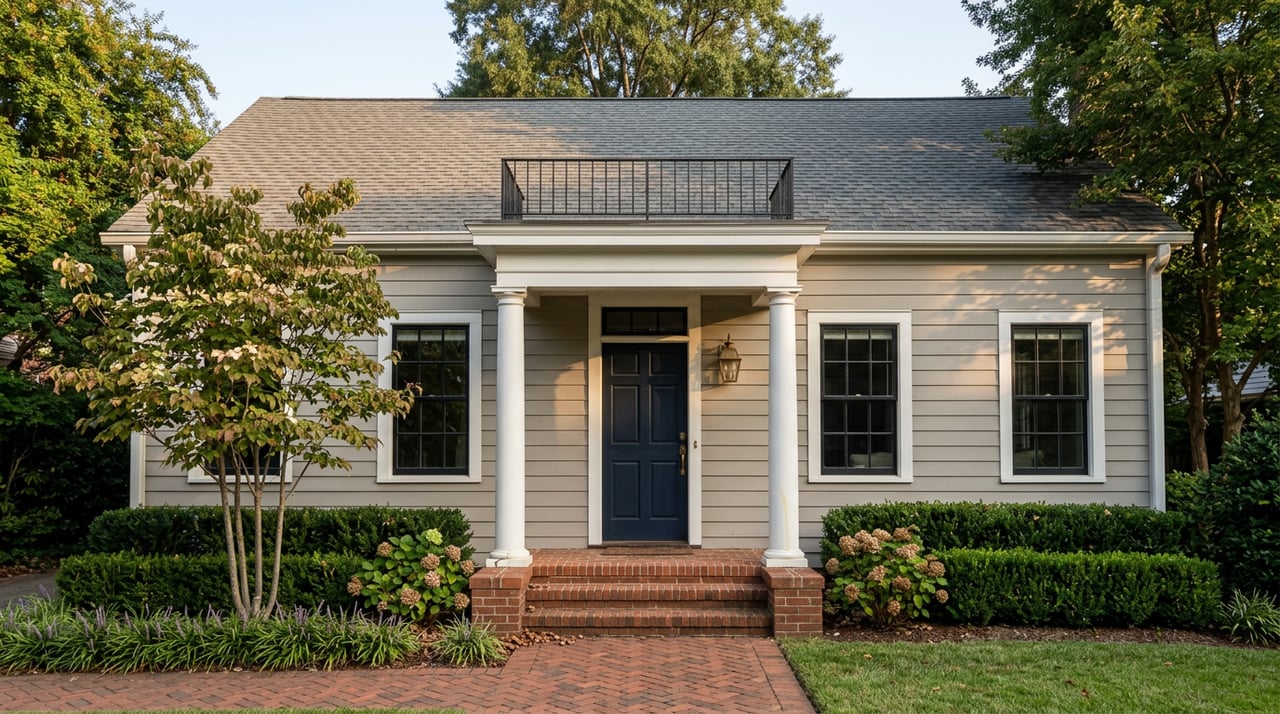
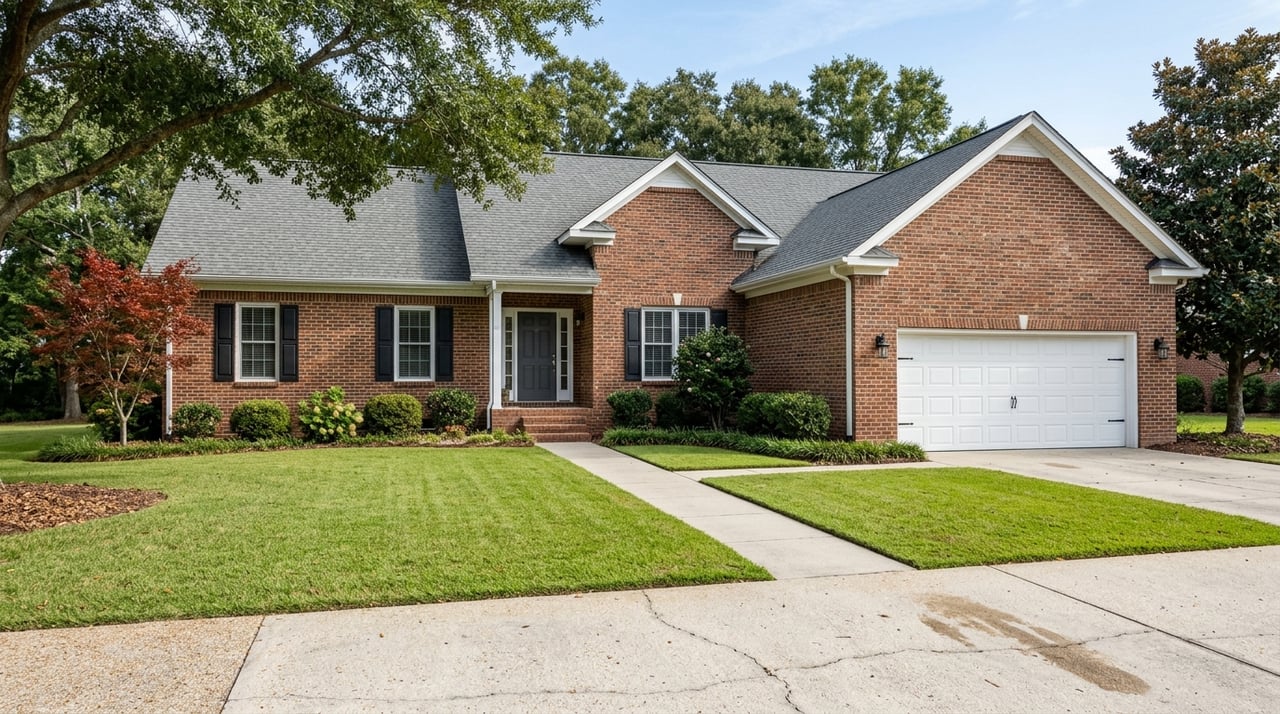
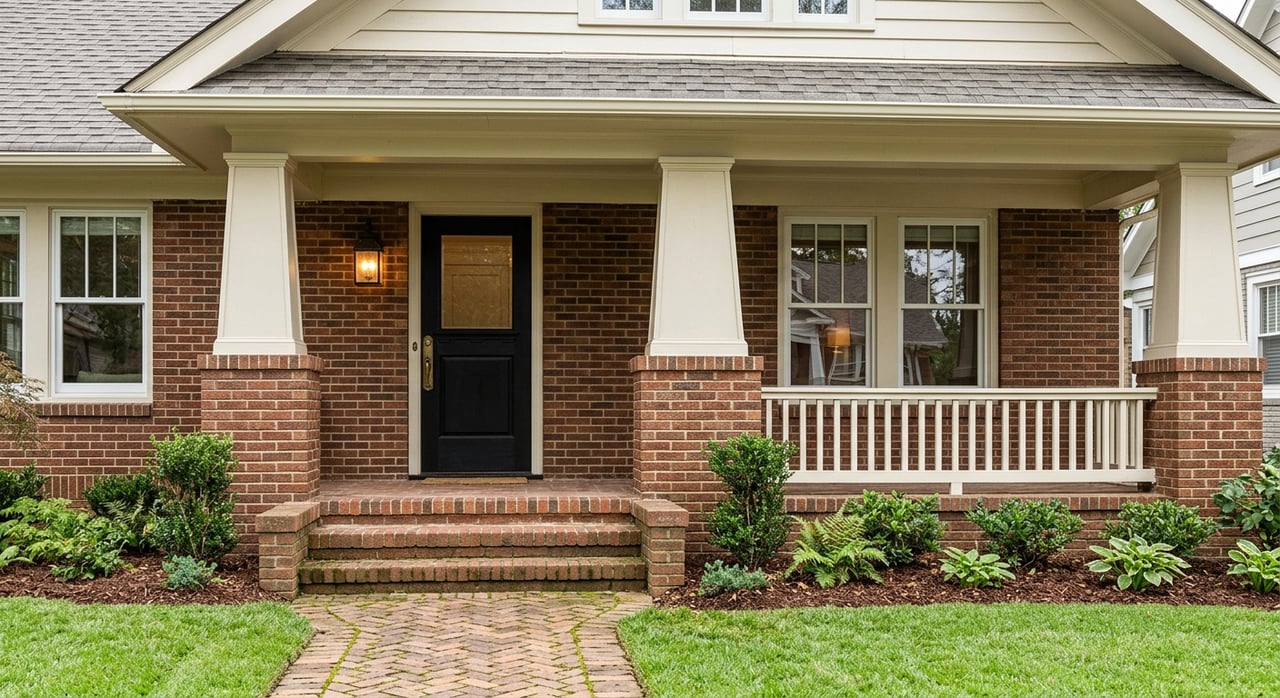
Architecturally, Hillcrest offers a wide mix. The Hillcrest Historic District includes pyramid cottages, Colonial Revival cottages, Bungalows, Foursquares, Prairie houses, English Revival homes, and a few Queen Anne and Colonial Revival transitional homes. That variety can appeal if you want charm without a single dominant style.
The Heights also has architectural range, including Colonial Revival, American Foursquare, Tudor, Spanish Revival, Bungalow, and Craftsman homes. Still, the market position is different. The Heights tends to attract buyers looking for a more premium historic-home experience rather than simply a version of Hillcrest with larger price tags.
Walkability is another point of comparison. Hillcrest has a Walk Score of 67, while the Heights comes in at 57. Both support a central lifestyle, but Hillcrest edges ahead if your priority is a more walkable daily routine.
Hillcrest vs. Midtown
If value is your top priority, Midtown may grab your attention first. Its median listing price is $269,900, which is lower than Hillcrest’s $332,000. Midtown also had 50 homes for sale and a median of 34 days on market in the same spring 2026 snapshot.
But lower price does not always mean easier terms. Realtor.com data shows Midtown homes selling around asking, while Hillcrest remains a distinct market with stronger walkability and more historic character. If you are comparing the two, it helps to think beyond list price alone.
Midtown is the most car-oriented of the four neighborhoods in this comparison, with a Walk Score of 45. UAMS describes it as a hub for retailers and large employers, with residential areas surrounding that commercial activity. That makes Midtown a practical option for buyers who care most about access, routine, and value.
Housing style also helps separate the two. Midtown is associated with ranch-style and modern homes, while Hillcrest is known for its older and more varied historic housing stock. If you want a neighborhood with stronger architectural personality, Hillcrest likely has the edge.
Midtown also has a wider affordability spread within its subareas. Current snapshots place Hall High around $274,500, West Markham around $210,000, and Meriwether around $164,900. For buyers trying to stay flexible on budget, that range can be useful.
Hillcrest vs. Historic Downtown
Historic Downtown is the hardest area to compare in a simple one-to-one way. That is because Downtown is not really one uniform neighborhood. The Downtown Little Rock Partnership identifies distinct areas such as East Village, Governor’s Mansion Historic District, MacArthur Park Historic District, Main Street Creative Corridor, River Market, and SoMa.
That matters because lifestyle and pricing can shift quite a bit from one downtown district to another. MacArthur Park is around $185,000, River Market is around $375,000, and Governor’s Mansion is around $386,250. In other words, Downtown works better as an urban lifestyle cluster than a single market category.
On paper, Hillcrest and Downtown are fairly close in price. Hillcrest sits at a median listing price of $332,000, while Historic Downtown is about $360,000. The bigger difference shows up in market pace and negotiating conditions.
Downtown had 41 homes for sale and a median of 97 days on market in spring 2026, far longer than Hillcrest’s 32 days. Homes downtown were also selling at about 92% of list price, which suggests a more buyer-friendly environment than Midtown and, in many cases, than Hillcrest. If negotiation room matters to you, Downtown may offer more flexibility.
In terms of walkability, the two are very close. Downtown has a Walk Score of 66, and Hillcrest comes in at 67. The feel, however, is different. Hillcrest leans more neighborhood-oriented, while Downtown brings a more active urban rhythm shaped by mixed-use districts, events, public art, and entertainment activity.
Where Hillcrest Fits Best
Hillcrest often makes sense if you want balance. It is more affordable than the Heights, more walkable than Midtown, and more neighborhood-scaled than Downtown. That combination can be appealing if you want central Little Rock access without committing to the highest price tier or the most urban setting.
It can also be a strong fit if you care about older homes and varied architecture. Hillcrest’s mix of cottages, bungalows, Foursquares, and revival styles gives it a broad visual range that many buyers find appealing. You are not choosing a cookie-cutter look here.
For some buyers, Hillcrest may feel like the middle path that covers the most bases. You get central location, a pedestrian-friendly layout, and a housing stock with personality, all at a median price point that lands below the Heights and near Downtown. That is a big reason Hillcrest continues to stay competitive.
Quick Comparison Snapshot
| Neighborhood | Median Listing Price | Homes for Sale | Median Days on Market | Walk Score | General Feel |
|---|---|---|---|---|---|
| Hillcrest | $332,000 | 61 | 32 | 67 | Walkable, eclectic, neighborhood-oriented |
| The Heights | $607,500 | 36 | 29 | 57 | Premium historic-home market |
| Midtown | $269,900 | 50 | 34 | 45 | Practical, value-focused, more car-dependent |
| Historic Downtown | About $360,000 | 41 | 97 | 66 | Urban, varied, district-by-district |
How to Choose the Right Fit
The best neighborhood for you depends on what you value most in your daily life and your home search. A lower list price, a higher walk score, or a longer market time each points to something different. The key is matching the numbers to your priorities.
As you compare central Little Rock neighborhoods, ask yourself:
- Do you want the most walkable everyday routine?
- Is architectural character high on your list?
- Are you aiming for the lowest entry price?
- Do you want a neighborhood feel or a more urban environment?
- Is negotiation room important to your purchase strategy?
If your answers land somewhere in the middle, Hillcrest may be the neighborhood that keeps rising to the top. It offers a central address, a strong sense of place, and a market position that is easier for many buyers to reach than the Heights. It also delivers a more neighborhood-oriented experience than Downtown and a more distinctive housing stock than Midtown.
Whether you are buying your first home in central Little Rock, moving across town, or comparing lifestyle options before your next move, local context matters. The right choice is not just about price. It is about how you want to live once the boxes are unpacked.
If you want help comparing Hillcrest with the Heights, Midtown, or Historic Downtown based on your budget and goals, the Kerry Ellison Team can help you make sense of the numbers and find the right fit.
FAQs
How does Hillcrest compare to the Heights in Little Rock?
- Hillcrest is more affordable based on current median listing price, with more homes for sale and a slightly higher Walk Score, while the Heights is the premium historic-home market in this comparison.
Is Hillcrest more walkable than Midtown?
- Yes. Hillcrest has a Walk Score of 67, compared with Midtown’s 45, which suggests Hillcrest supports a more walkable daily routine.
How does Hillcrest compare to Downtown Little Rock for buyers?
- Hillcrest offers a more neighborhood-oriented feel and faster market pace, while Downtown acts more like a collection of urban submarkets with longer days on market and more room for negotiation.
Is Midtown cheaper than Hillcrest in central Little Rock?
- Yes. Midtown’s median listing price is $269,900, while Hillcrest’s is $332,000 in the spring 2026 market snapshot.
What kind of homes are common in Hillcrest?
- Hillcrest is known for a varied historic housing stock that includes pyramid cottages, Colonial Revival cottages, Bungalows, Foursquares, Prairie houses, English Revival homes, and a few transitional Queen Anne and Colonial Revival examples.