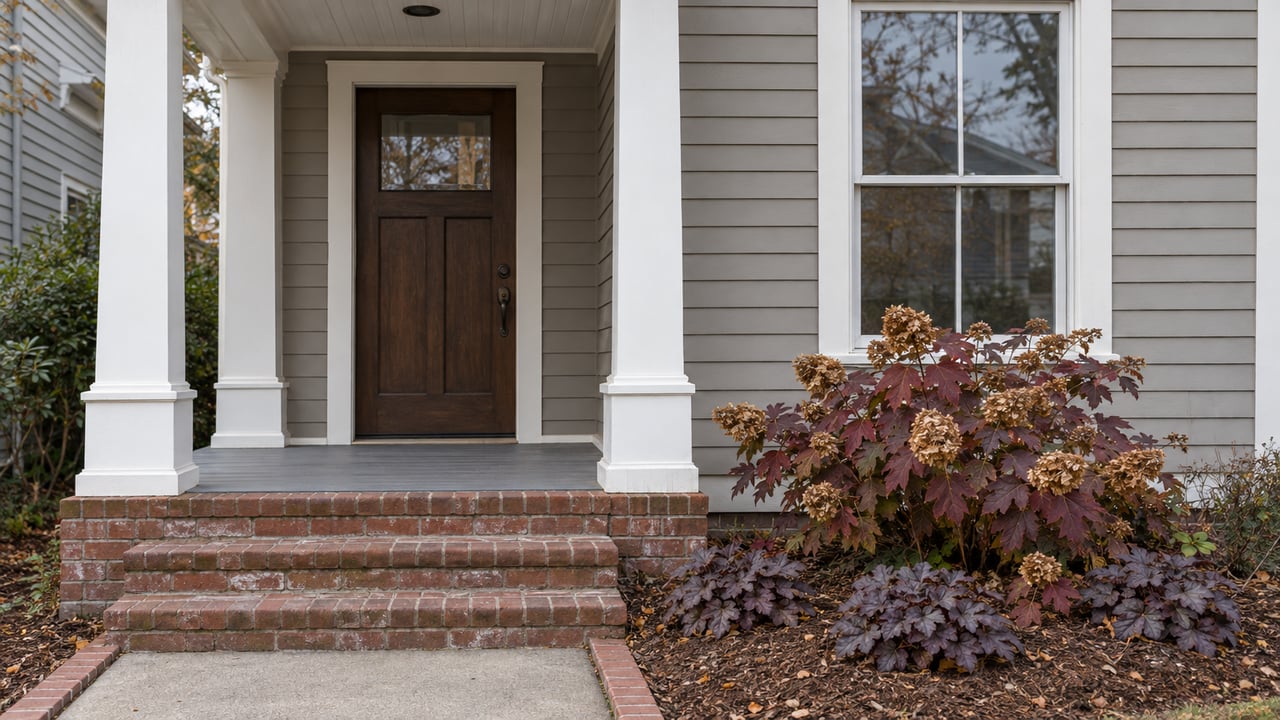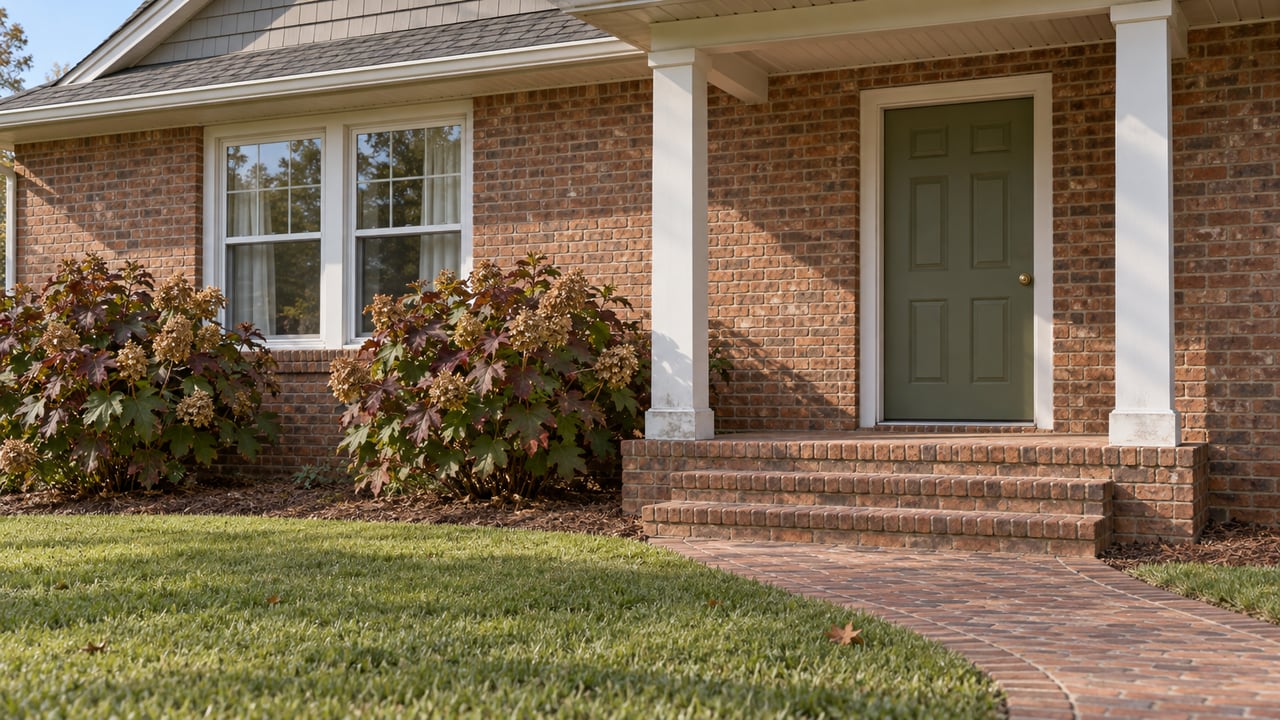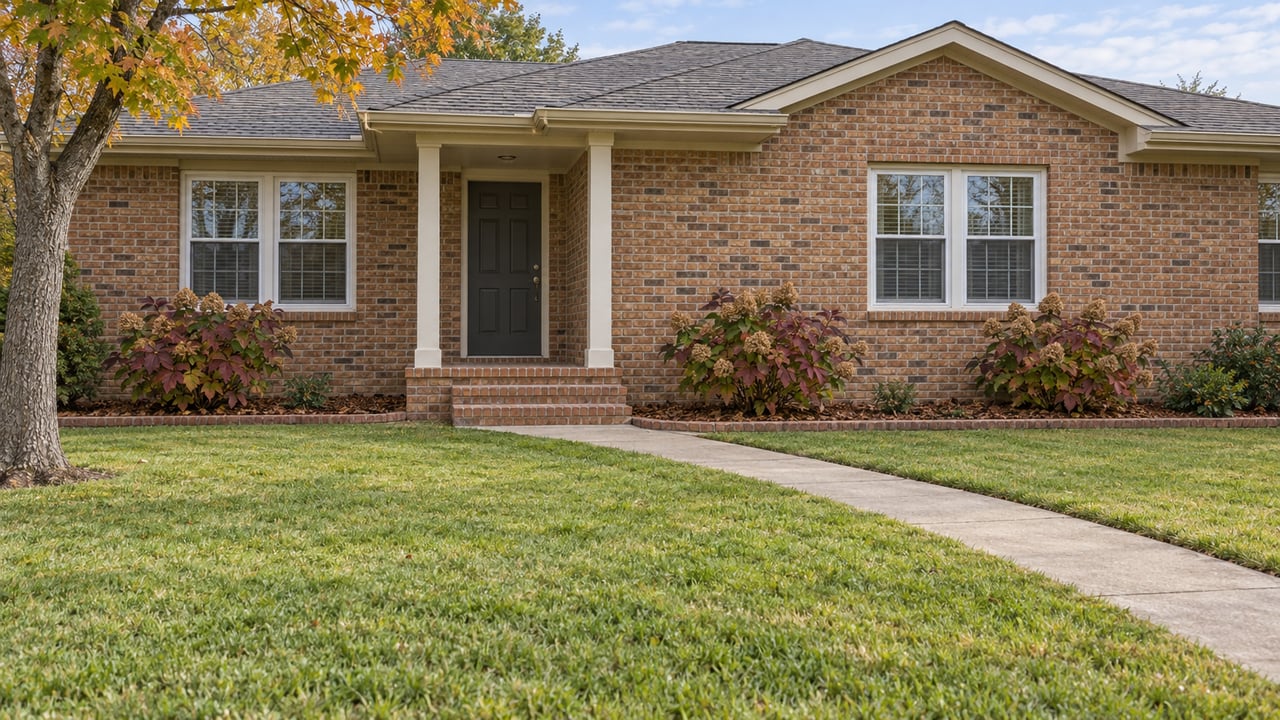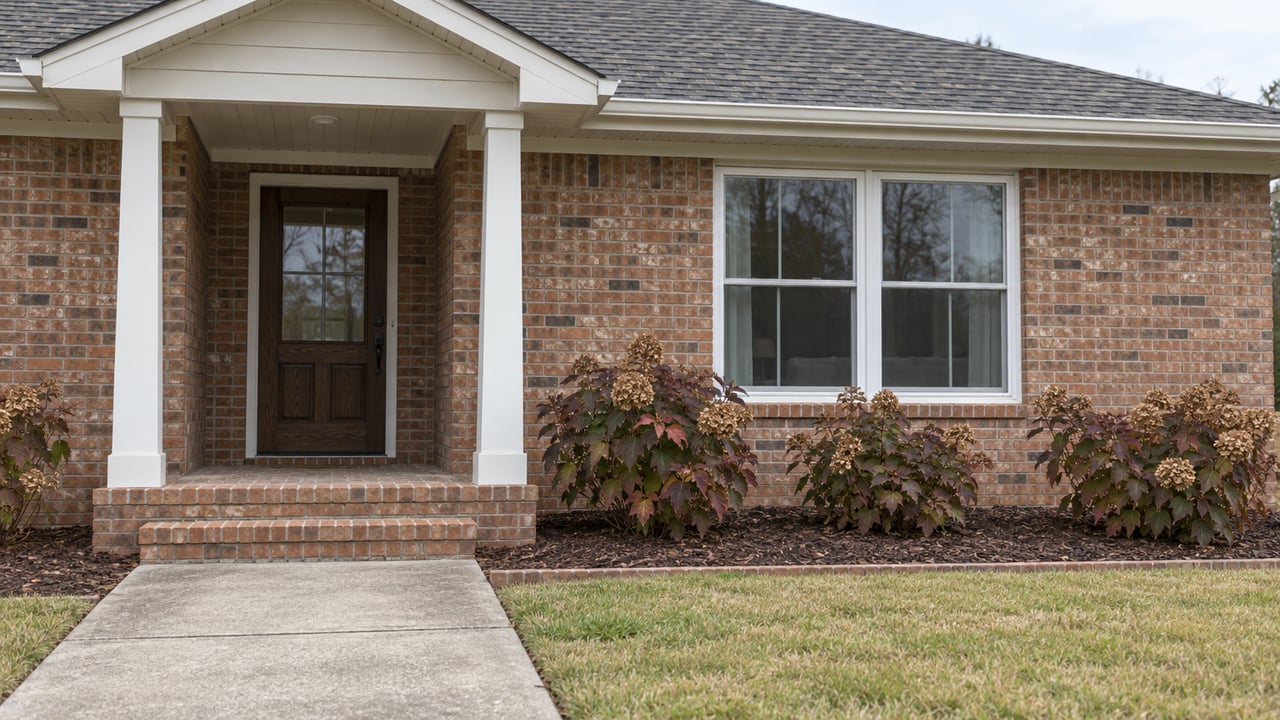
You've found a home in Pleasant Valley that fits your budget. You probably built the monthly payment from the property tax figure on the listing. So how much will this house actually cost you in taxes each year?
In Arkansas, that listing figure doesn't answer the question. It's a record of how the current owner's taxable value was set: how long they've owned the home, which caps protected them, whether they qualified for a freeze, and whether they applied for a credit. Once the deed changes hands, state law sets the taxable value again from scratch. That matters more in 2026, because Pulaski County mailed countywide reappraisal notices this summer.
The Line on the Listing Is a Record of Someone Else's Ownership
Three things can keep a long-time owner's tax bill below what a new owner will pay. All three are tied to the owner, not to the house.
The first is Amendment 79. According to the Arkansas Department of Finance and Administration, when a countywide reappraisal raises values, the taxable value of a homestead "can only increase 5% per year until the property reaches full assessed value." Other property is capped at 10% a year. So an owner who has been through a reappraisal can be paying tax on a value that is still catching up to the county's appraisal.
The second is the freeze for owners who are 65 or older or disabled. DFA explains that a qualifying owner's taxable assessed value can be "frozen" at the next assessment date after they become eligible. The page is direct about what happens at a sale: "one homeowner's freeze cannot pass or convey to a subsequent owner of the same home."
The third is the homestead credit. It's applied to the owner's principal residence, and the owner has to apply for it with the county assessor.
A seller with all three in place can show a tax figure that tells a buyer very little about what they'll pay.
What the Sale Sets in Motion
The rule that matters is short. Arkansas Code § 26-26-1123 says that when real property is sold, "the county assessor shall assess the real property at twenty percent (20%) of the appraised value at the next assessment date after the date of the transfer of title." The next clause says the new owner "is not entitled to claim any limitation on the assessed value of the real property until the second assessment date after the date of the transfer of title."
The Pulaski County Assessor lists January 1 as the lien date for real property. The Pulaski County Treasurer describes property taxes as "billed one year behind." DFA's taxpayer FAQ puts the due date at October 15 for assessments made during the previous year.
Applying those rules to a purchase that closes before the end of 2026, the order of events would look like this:
- Closing in late 2026. Your title transfers, but the current tax year still uses the seller's assessment.
- January 1, 2027. This is the next assessment date. The home is assessed at 20% of its appraised value, with no cap carried over from the seller.
- January 1, 2028. This is the second assessment date after the transfer, and the first one at which the statute lets you claim a limitation.
- October 15, 2028. This is the due date for taxes on the 2027 assessment, because Pulaski County bills one year behind. It's the first bill based on your purchase.
That timeline is our reading of the statute and the county's billing calendar. Confirm the dates for your parcel with the Assessor's office. The general pattern is the same for any closing date. You may pay the seller's level of tax for a while, and then the bill adjusts in a single step.
Why 2026 Makes the Difference Larger
A difference only shows up when the seller's taxable value is below the home's full assessed value. A fresh reappraisal is what creates that situation for many homes at once.
The Arkansas Democrat-Gazette reported on July 23, 2026, that property reappraisal notices had all been sent across Pulaski County. The county clerk's 2026 equalization timeline set August 17 as the last day to request a Board of Equalization hearing on a notice. Regular equalization meetings ran through September 30.
Where a reappraisal raised a homestead's value, Amendment 79 lets the owner's taxable value rise toward the new figure by 5% a year. A buyer of that same house moves to the full figure at the next assessment date after closing. The house and the appraisal are the same. The paths are different.
| Current owner of a homestead | Buyer after a sale | |
|---|---|---|
| Basis for assessment | Taxable value under the Amendment 79 caps | 20% of appraised value at the next assessment date |
| Annual cap after reappraisal | 5% a year until full assessed value | None until the second assessment date after transfer |
| 65+ or disabled freeze | Stays in place if the owner qualified and applied | Doesn't transfer. A qualifying buyer can apply as a new owner |
| Homestead credit | Applied once the owner has applied | The buyer has to apply |
| Millage changes | Can change the bill | Can change the bill |
The last row applies to everyone. DFA notes that taxes on a homestead "may still increase or decrease in the event of millage rate changes in the local taxing districts," even when the assessed value is frozen.
The freeze row also covers buyers. DFA says that an owner who is 65 or older or disabled and buys a homestead can have its taxable value frozen at the next assessment date after the purchase, once they apply.
Doing the Arithmetic Before You Make an Offer
The county's own records give you the numbers to estimate your bill. The Assessor's website has a "Look Up Property" link to the ARCountyData search for Pulaski County. A parcel's detail page lists three figures: Appraised Value, Assessed Value and Taxable Value, along with the assessment year. If the Taxable Value is below the Assessed Value, the difference is protection the seller has and you won't.
Next comes the millage rate. DFA's 2025 Millage Report, published in March 2026 for 2026 collections, lists 70.0 combined mills for property in the City of Little Rock and the Little Rock School District. That total is 46.4 school mills, 15.1 city mills and 8.5 county mills. One mill is a tenth of a cent per dollar of assessed value.
At that rate, the math per $100,000 of appraised value works like this:
- Assessed at 20%: $20,000
- Multiplied by 70.0 mills: $1,400 a year before any homestead credit
That's an illustration, not a quote for any address. Different parts of west Little Rock can fall in different taxing districts, and the millage report lists other combinations for Pulaski County. Check which district your parcel is in, then apply the matching rate to the county's appraised value. Comparing that result with the Taxable Value on the seller's record shows you how big the adjustment will be.
The Credit You Have to Ask For
The homestead credit is the one part of the reset you control. Pulaski County requires an application and a homeowner's signature. Its FAQ says, "All applications must be submitted by October 15th on any given year to receive the credit for that year." Once you've received the credit, you don't reapply each year. You do reapply when you "change your primary place of residence (i.e. sell your house and buy a different one)."
The amount is also changing. DFA's relief page says the legislature authorized an increase to up to $600 beginning with 2026 tax bills. On May 1, 2026, the Arkansas Democrat-Gazette reported that Gov. Sanders signed a bill increasing the homestead credit to $675. The credit can be claimed on only one home per taxpayer, so buyers who still own their previous home will need to think about which property is their principal residence.
Quick Answers
Does the assessment reset on the day I close? No. The statute sets the new assessment at the next assessment date after title transfers, and Pulaski County uses January 1 as the lien date.
If the seller is over 65 and has a freeze, can I keep it? No. DFA says a freeze can't pass to the next owner. A buyer who is 65 or older or disabled can apply for their own freeze, and it would be set at the next assessment date after the purchase.
Will my bill stay flat after the reset? Millage changes can still raise or lower it. Starting with the second assessment date after transfer, the Amendment 79 limits apply to you the same way they apply to any other owner.
Where can I see a home's appraised, assessed and taxable values? Use the Pulaski County Assessor's "Look Up Property" link, which opens the county's ARCountyData records.
This post is general information, not legal, tax or financial advice. Before you rely on any figure for a specific property, confirm it with the Pulaski County Assessor and your own tax professional or lender.
When we work with buyers in Pleasant Valley, we pull the parcel's appraised and taxable values before writing an offer so the monthly budget starts from the right tax number. If you're weighing a home in west Little Rock and want that comparison done for a specific address, The Ellison Group will go through it with you. Schedule a Free Market Consultation.