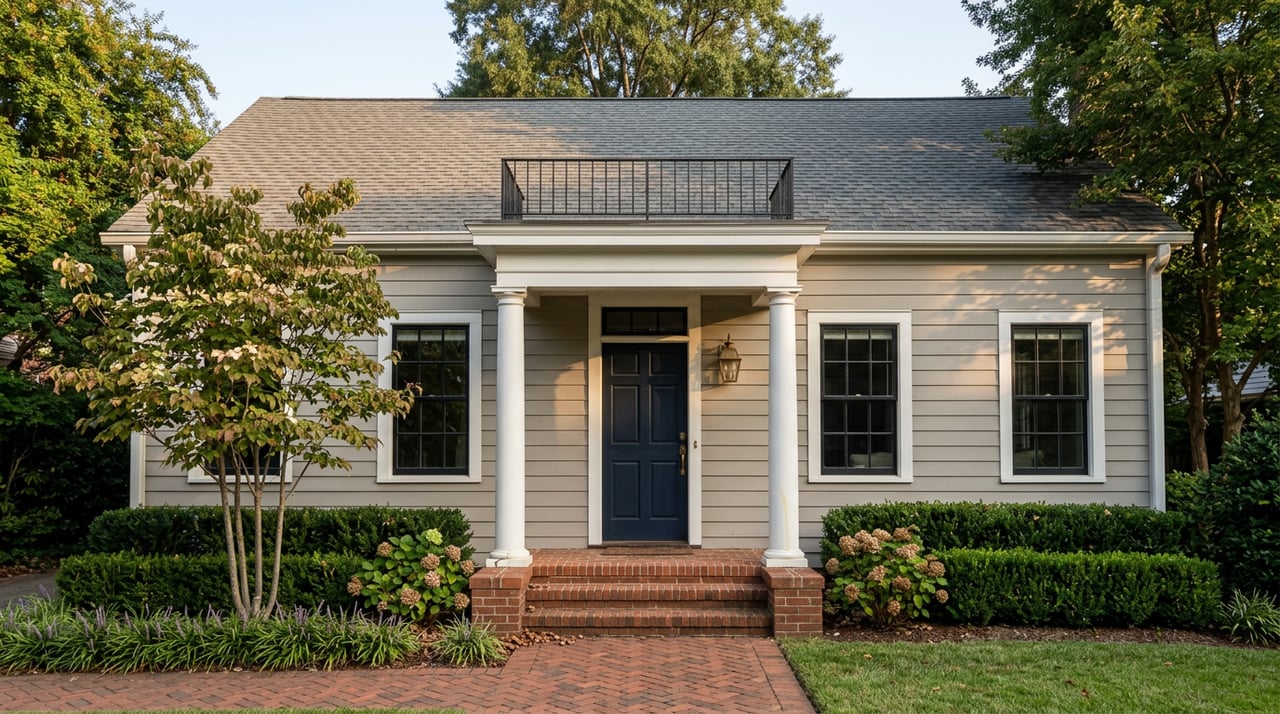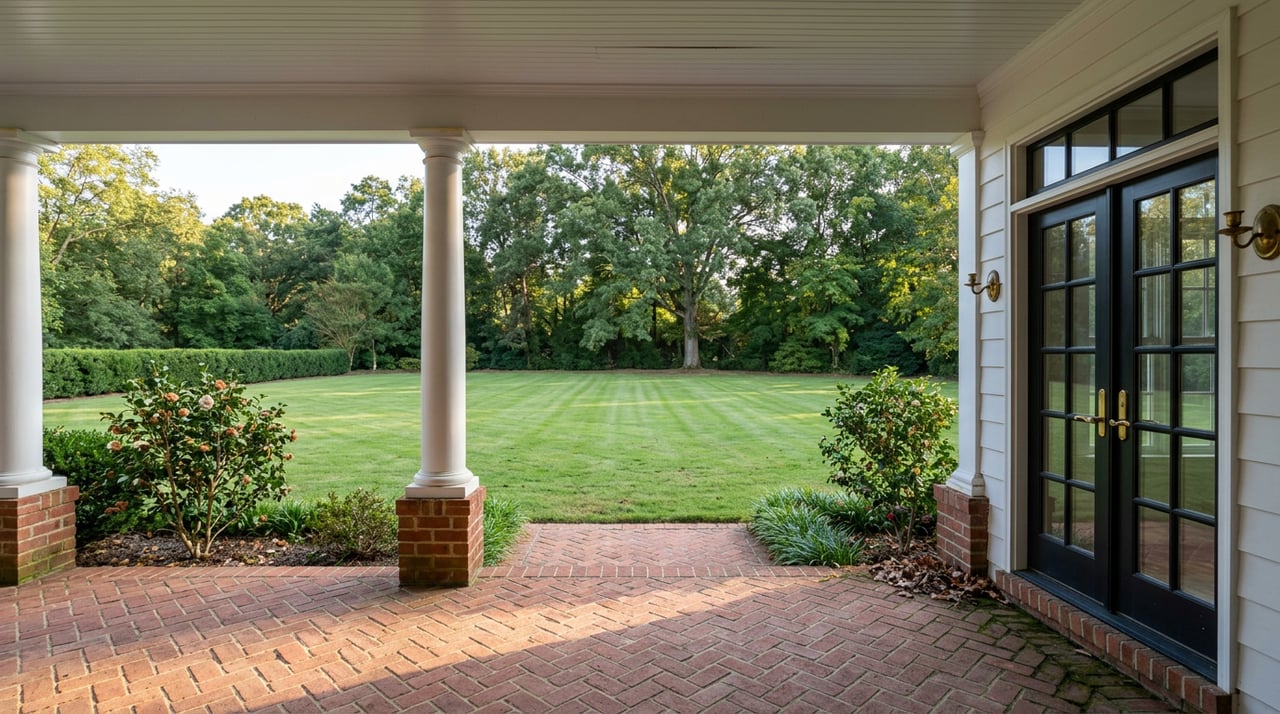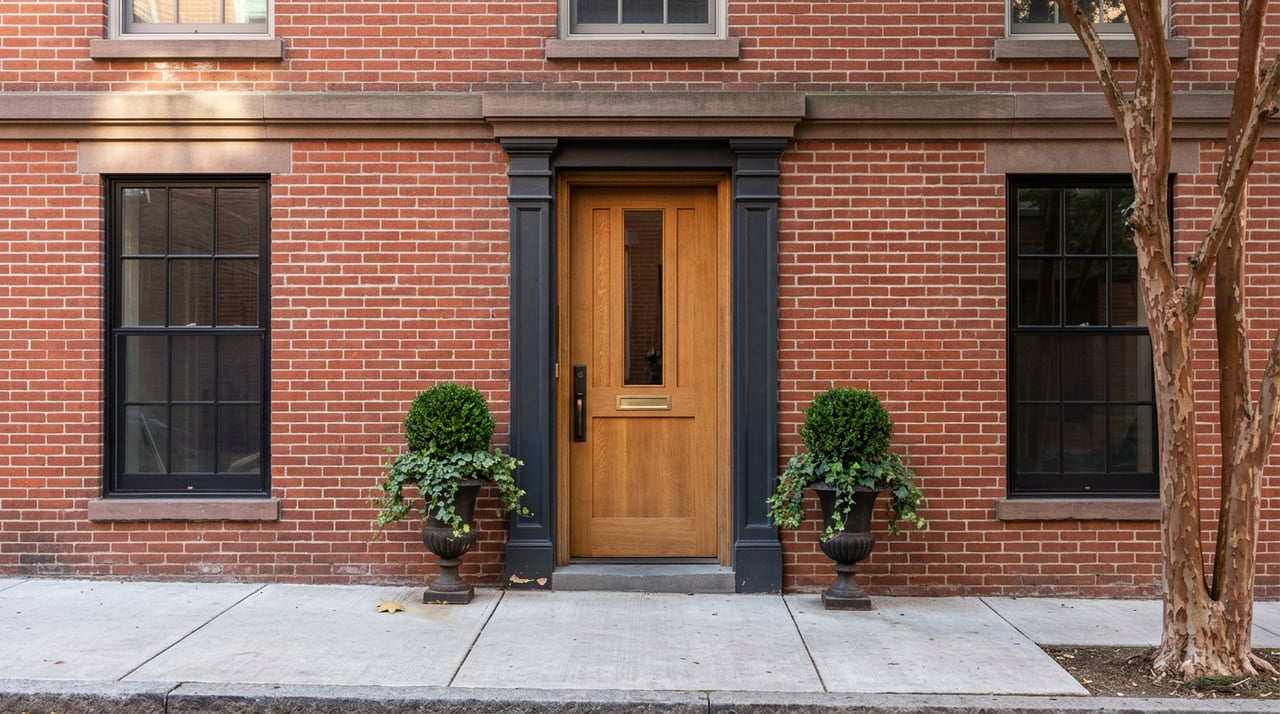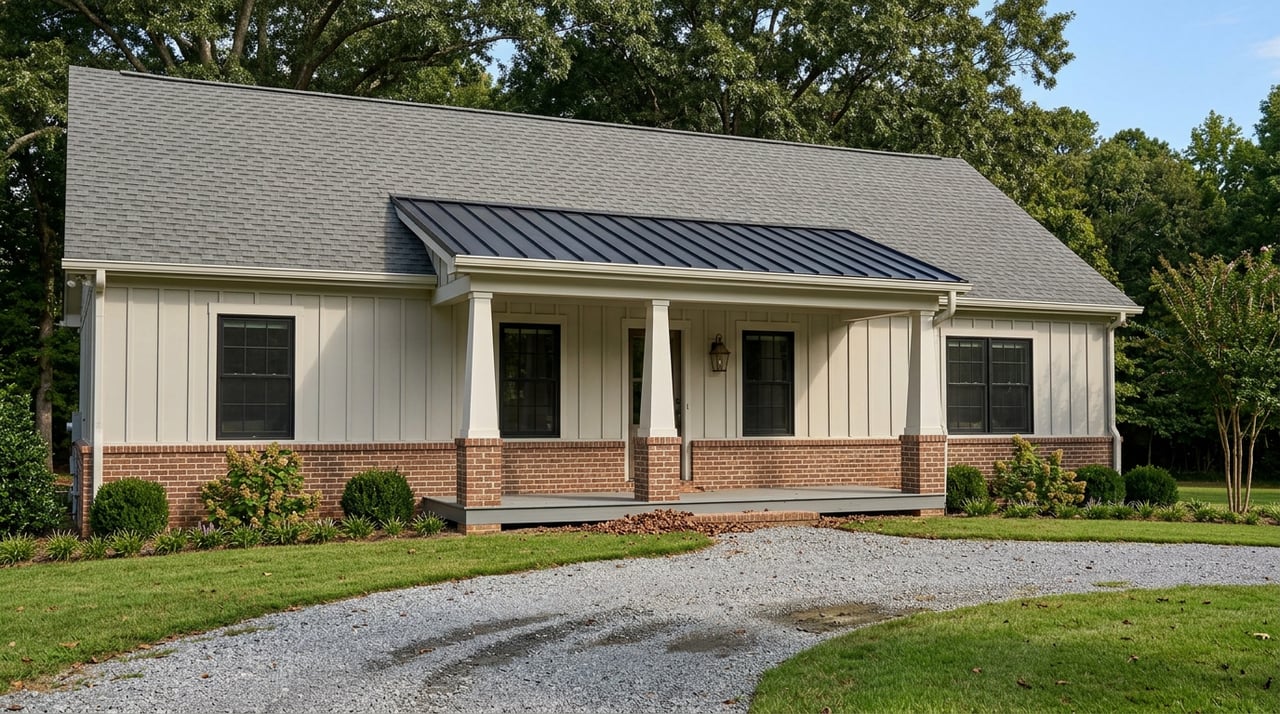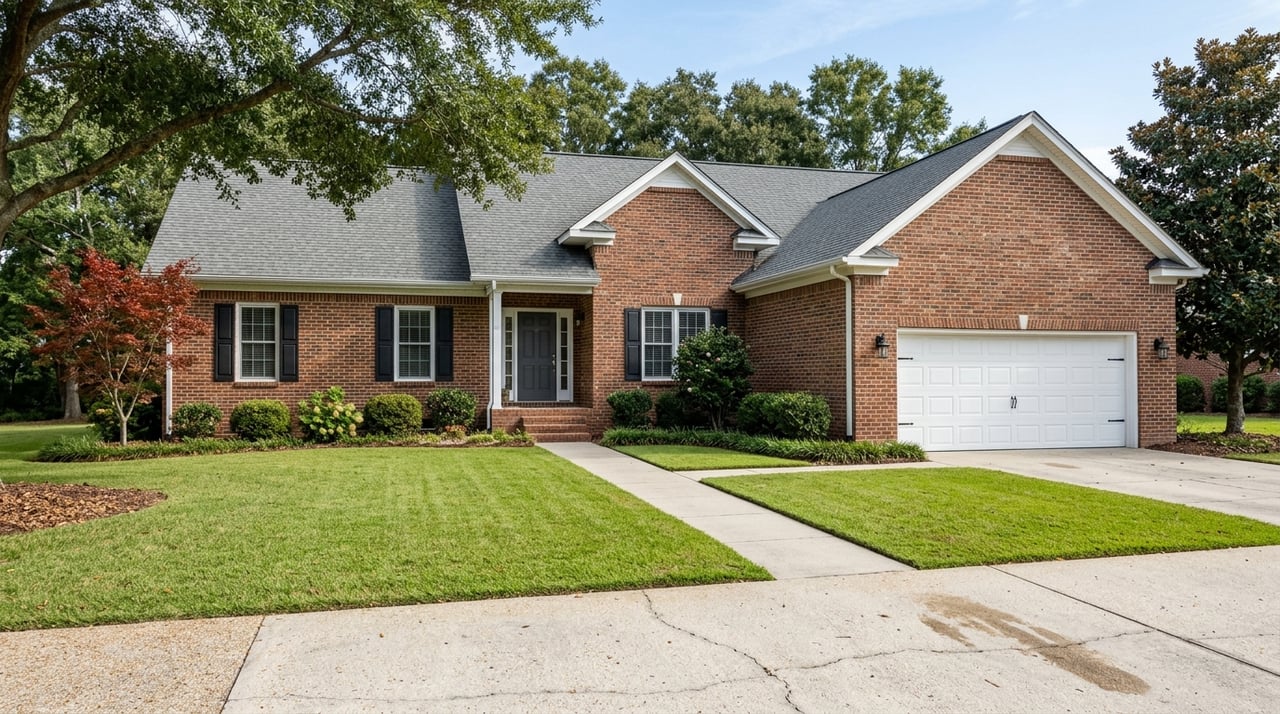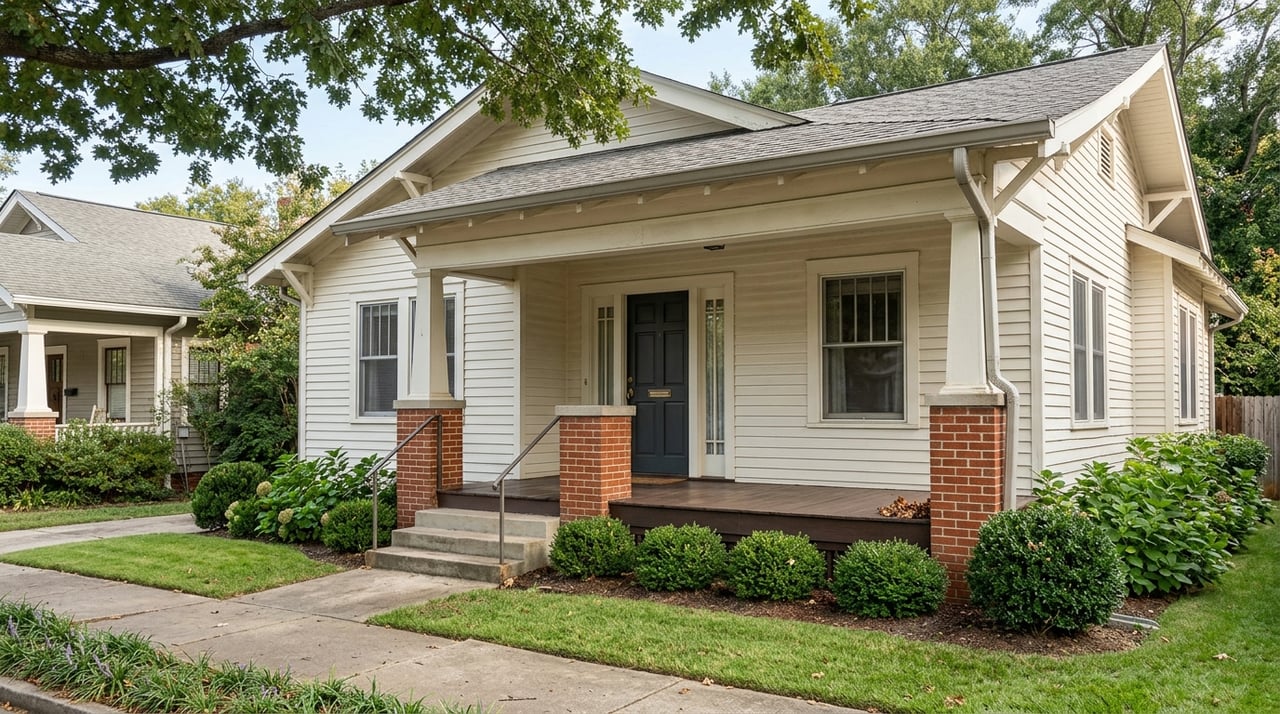
Dreaming about a Craftsman bungalow or a classic Foursquare in Hillcrest? You are not alone. Historic homes in 72205 have charm, walkable streets, and a strong sense of place. They also come with unique rules, inspections, and costs that can surprise first‑time historic buyers. In this guide, you will learn how Hillcrest’s design rules work, which inspections to order, how to plan renovations, and the smartest ways to protect your budget and closing. Let’s dive in.
Why Hillcrest homes stand out
Hillcrest grew during the streetcar era, with most houses built between the 1890s and 1940s. You will find Queen Anne, Colonial Revival, Craftsman, Bungalow, and American Foursquare styles throughout the neighborhood. A large portion of Hillcrest is documented as a National Register historic district, which recognizes the area’s significance and supports preservation programs. You can explore the neighborhood’s historic context in the Arkansas Historic Preservation Program’s Hillcrest survey for a deeper look at its development and architecture (Hillcrest historic context).
What design rules mean for you
Hillcrest has local design controls that affect many exterior changes. The City of Little Rock maintains the Hillcrest Design Overlay District and a Historic District Commission. If a property sits within the overlay or a city historic district, owners typically need a Certificate of Appropriateness before doing exterior work that is visible from the street. Plan to confirm the exact rules for your parcel and discuss your project scope with staff early (Hillcrest DOD overview).
For many projects, the COA process requires drawings, material samples, public notice to nearby owners, and a hearing date. That adds time and some up‑front fees, so build that into your schedule if you plan work right after closing. The city’s application explains required submittals and procedures so you can plan ahead (COA application and instructions).
Inspections that matter most
Older homes are special, but they can hide costly issues. A standard home inspection is essential, and specialty inspections can save you from surprises. Think of it this way: older is fixable, but sometimes expensive and sometimes required for insurance or financing.
Lead-based paint and safety
If the home predates 1978, ask about lead-based paint. Renovation contractors on pre‑1978 homes must follow the EPA’s Renovation, Repair and Painting rule, and Arkansas has lead program requirements for testing and abatement in many cases. Budget for testing and safe work practices if you plan to renovate (EPA RRP overview) and review Arkansas guidance on licensing and abatement (Arkansas Lead-Based Paint Program).
Electrical systems
Ask a licensed electrician to evaluate service size, panel condition, and any knob‑and‑tube or cloth wiring. These items often trigger insurance or lender requirements and may need a partial or full rewire. Get a written estimate during your inspection window so you can negotiate with real numbers (older homes risk overview).
Termite and wood-destroying organisms
Arkansas has active subterranean termite populations. Order a termite and WDO inspection and review any evidence of prior treatment or damage. If treatment is recommended, request contractor quotes and warranty details so you know the long‑term plan (UA Extension termite study).
Plumbing and sewer scope
Older galvanized or cast‑iron supply lines and vintage sewer laterals can leak or collapse. A camera sewer scope is a smart add‑on in Hillcrest so you can price repairs or replacements before closing (older homes risk overview).
Structure, foundation, and drainage
Historic homes in Hillcrest may sit on brick pier, stone, or other masonry foundations. Note uneven floors, cracks, or chronic crawlspace moisture. If your inspector flags movement or major cracking, bring in a structural engineer for a written assessment and cost range. If you plan additions or site changes, confirm how grade, sidewalks, or site features may affect approvals (Hillcrest DOD overview).
Asbestos and HVAC
Some older materials, pipe wrap, or insulation may contain asbestos. In many cases, sampling and abatement require licensed contractors in Arkansas. Have an HVAC pro assess the age and remaining life of the systems so you can plan replacements and efficiency upgrades.
Moisture, insulation, and energy use
Expect single‑pane windows, limited insulation, and some air leaks in older homes. If there is a history of water intrusion, consider mold or indoor air quality testing. Improving air sealing and insulation can make a big difference in comfort and long‑term energy costs.
Permits and project timing
If you plan to paint, repair a porch, replace windows, add a dormer, or build a rear addition, confirm if a COA is required before you start design work. The city’s application explains submittals like site and elevation drawings, material cut sheets, and, for demolitions, engineering and termite reports. Pre‑application conversations with Planning staff can help you avoid redesigns and keep your timeline realistic (COA application and instructions).
Historic tax credits and incentives
Buyers often ask about tax credits. Here is the short version:
- The federal 20 percent Historic Rehabilitation Tax Credit applies to certified historic, income‑producing properties that meet the Secretary of the Interior’s Standards. It is generally not available for your primary residence (federal and state program overview).
- Arkansas offers state historic rehabilitation credits with specific thresholds, caps, and application steps. If you are planning a larger project, contact the Arkansas Historic Preservation Program early to discuss potential eligibility and timing (AHPP state credit rules).
Financing your renovation
Owner‑occupant buyers often use renovation loans to combine purchase and rehab into one mortgage. Options can include FHA 203(k), Fannie Mae HomeStyle, or local bank products. Each lender has different rules on contractors, draws, and timelines, especially when historic compliance is involved. Talk to a lender early if you want to finance upgrades right after closing.
Insurance and appraisal realities
Underwriters look closely at older systems. Some insurers may deny coverage, add exclusions, raise premiums, or require upgrades like a rewire or roof replacement within a set period. To avoid last‑minute surprises, get an insurance quote or an underwriter review during your inspection period (insuring historic homes).
On valuation, studies show mixed impacts from historic designation. Many districts see price stability or a premium, but effects vary by city, local rules, and buyer pool. In Hillcrest, appraisers rely heavily on comparable sales of similar vintage homes and give weight to modernized systems and documented permitted work. A balanced review of the research helps set expectations on value trends (historic designation and prices study).
Smart negotiation plays
Use your contingency period to turn risks into leverage. Consider:
- Requesting seller credits or a price adjustment for safety or insurance‑driven items like electrical, roof, or sewer.
- Asking for receipts and permits for prior work and any transferable warranties.
- Setting an escrow holdback for specific repairs to be completed by licensed contractors.
- If you want to preserve original features, negotiating to keep or document historic materials for repair rather than removal.
Hillcrest buyer checklist
Use this quick list as you evaluate a specific home:
- Confirm the parcel’s status with the City. Ask Planning which rules apply and whether a COA is required for your planned exterior work (Hillcrest DOD overview).
- Order a general inspection plus specialty checks: WDO/termite, licensed electrical evaluation, sewer scope, lead testing on pre‑1978 homes, asbestos sampling if suspect, HVAC review, and a structural engineer if settlement or major cracking is noted (Arkansas Lead-Based Paint Program).
- Get written contractor estimates for high‑cost items like rewiring, foundation work, roof, and sewer line.
- Obtain an insurance quote or underwriting guidance before you remove contingencies. Insurers may require system upgrades as a condition of coverage (insuring historic homes).
- If you plan exterior changes, review COA submittals and timelines, and schedule a pre‑application conversation with staff (COA application and instructions).
- If you might pursue incentives, contact AHPP early about state historic credits (AHPP state credit rules).
- Check flood maps for the exact lot. Some parcels in or near Hillcrest show flood zones. Verify at the parcel level before you finalize insurance and closing.
Long-term value and stewardship
Buying a historic Hillcrest home is both a lifestyle choice and a stewardship role. When you plan inspections, budget with real bids, and align your project with city design rules, you protect your investment and the character that drew you to the neighborhood. With the right team, you can balance old‑house charm with modern comfort and enjoy the best of Hillcrest for years to come.
Ready to review a Hillcrest listing, price out repairs, or map a COA timeline? Connect with the local team that knows this process inside and out. Schedule a conversation with The Ellison Group to make a confident plan for your next move.
FAQs
What is the Hillcrest Design Overlay?
- It is a local design review area in Little Rock that requires a Certificate of Appropriateness for many exterior changes visible from the street; confirm your parcel and rules with the City (Hillcrest DOD overview).
Do I need a COA to replace windows?
- Often yes if your home is in the overlay or city historic district; review the city’s COA application for submittal requirements and check with staff before you order materials (COA application and instructions).
Can I use historic tax credits on my primary home?
- The federal 20 percent tax credit is for income‑producing properties; Arkansas offers state credits with specific rules, so contact AHPP early if you are planning a qualifying rehabilitation (federal and state program overview and AHPP state credit rules).
Which inspections are most critical in a 1920s Hillcrest home?
- In addition to a general inspection, prioritize electrical evaluation, termite/WDO, sewer scope, lead testing on pre‑1978 homes, and a structural engineer if movement or major cracking is noted.
Will insurance cost more for an older Hillcrest house?
- It depends on system age and safety; some carriers require upgrades or add exclusions, so get an insurer review during your contingency period (insuring historic homes).
How do appraisers value historic homes in 72205?
- Appraisers rely on comparable sales of similar vintage homes and give weight to updated systems and documented permitted work; research shows mixed price effects from historic designation across markets (historic designation and prices study).